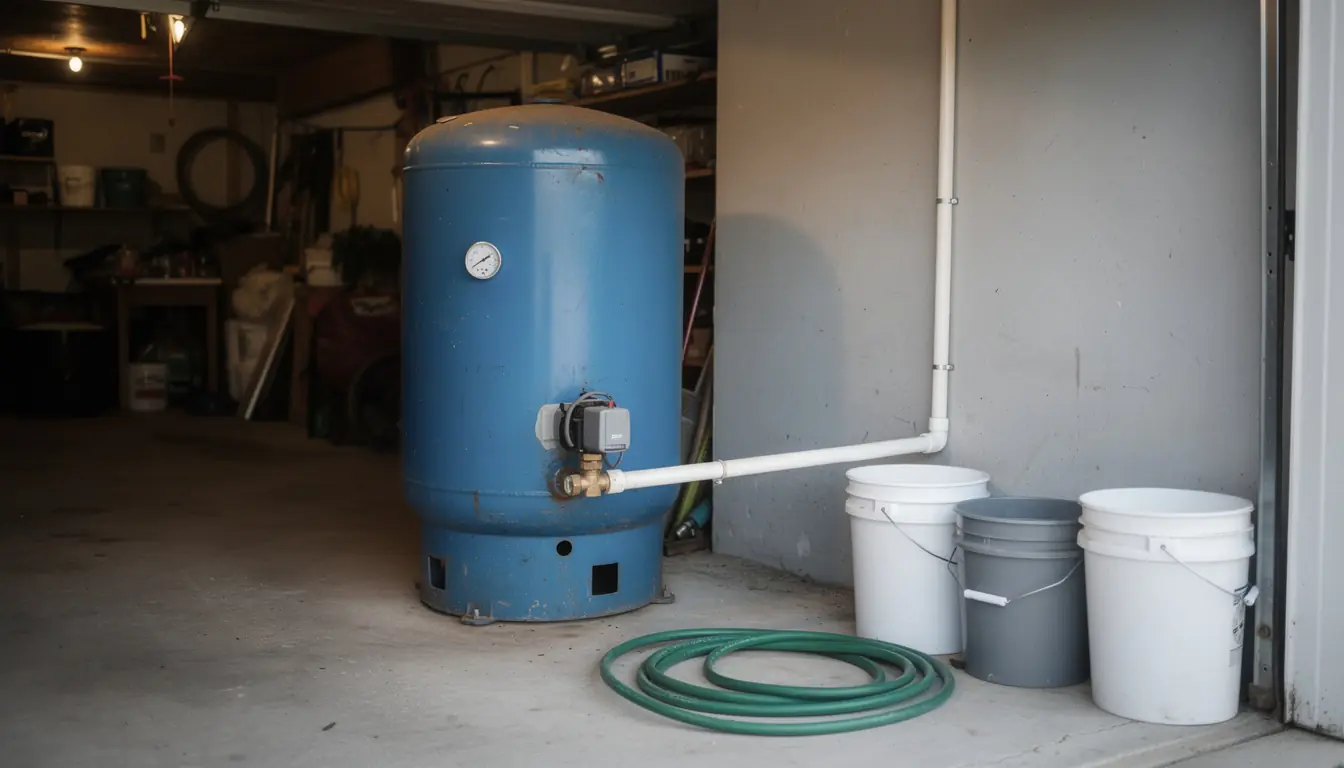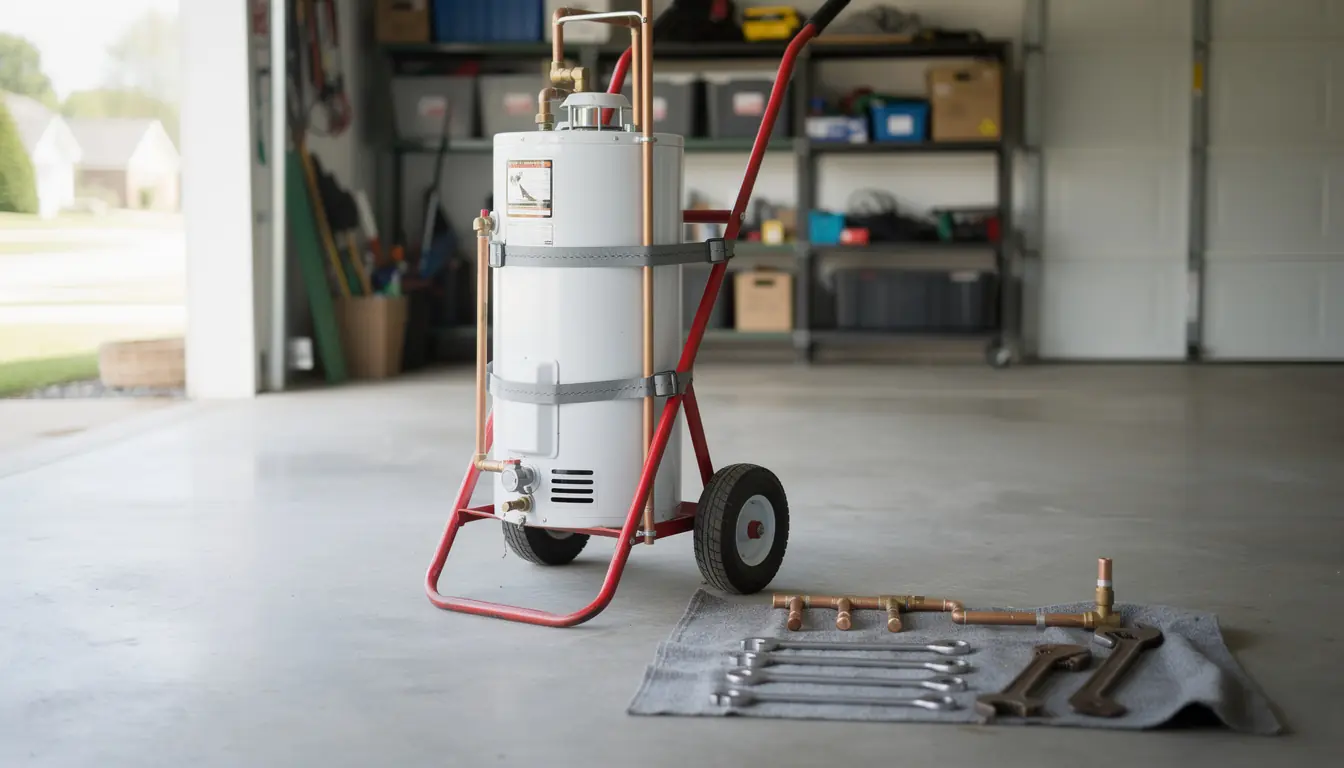
Much of West Tennessee runs moderately hard water — nothing scary, just mineral-rich. Your skin barely notices. Your water heater absolutely does, and it keeps the receipts.
What's happening inside the tank
dissolved minerals fall out of solution when water gets heated, and they settle as sediment on the bottom of the tank — right on top of a gas unit's burner, or burying an electric unit's lower element. The heater now has to heat THROUGH a growing rock layer. Efficiency drops, recovery slows, and the tank bottom runs hotter than it was designed to, which shortens its life.
The sound of sediment
popping, rumbling, or knocking when the heater runs. That's water flashing to steam underneath the sediment layer and bursting through it. A heater that's gone quiet-to-noisy is telling you the layer is thick.
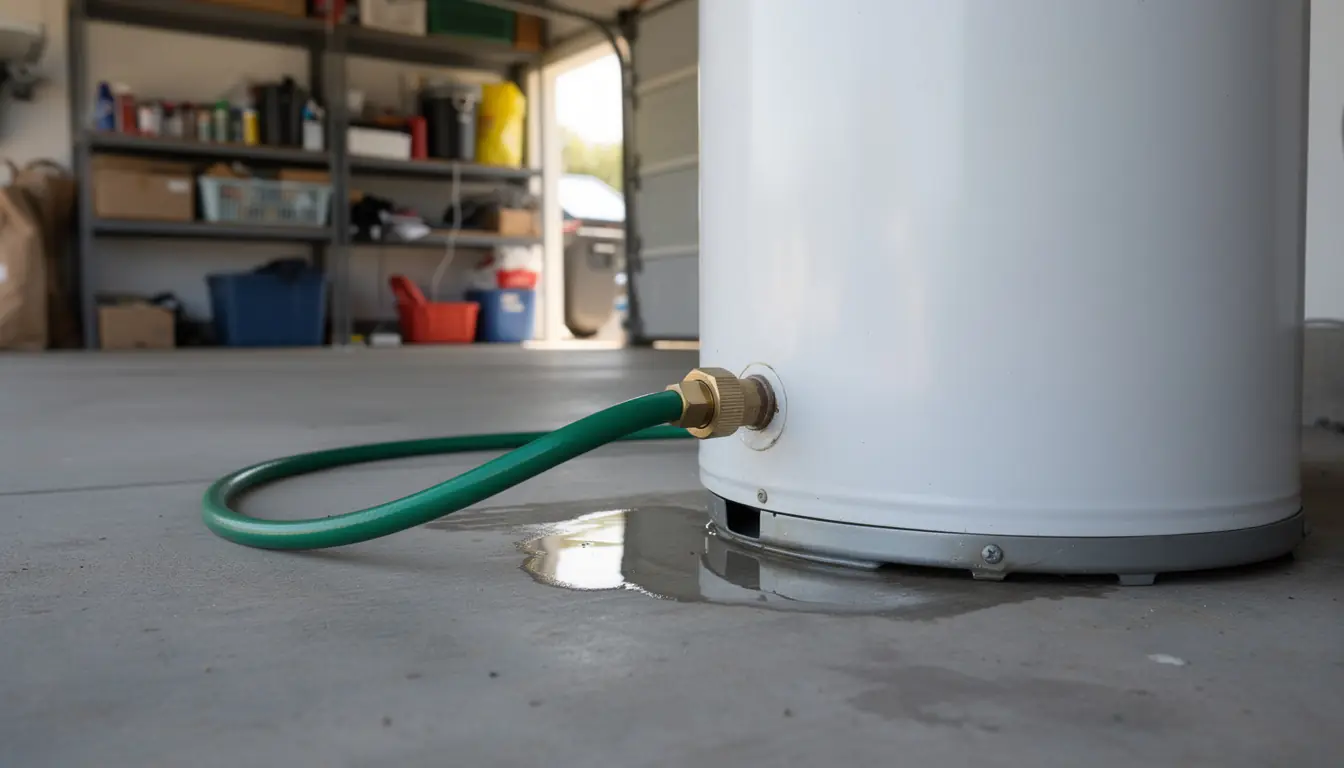
The fix is unglamorous: drain some water out once a year
Hose on the drain valve at the bottom, run it to a floor drain or bucket, and let it carry the loose sediment out. It's a genuinely doable homeowner job on many units — but there are real cautions: the water comes out scalding hot, gas units have pilot/control settings that need to be set correctly before and after, and a drain valve that hasn't been opened in a decade sometimes doesn't want to close again. If any of that gives you pause, it's part of what we handle on a maintenance visit anyway.
Tankless owners don't get a pass — they get a different chore
Scale builds inside a tankless unit's heat exchanger, where it chokes flow and efficiency. The fix is an annual descaling flush with a pump and solution. Skip it for a few years and the "endless hot water" math quietly falls apart.
Signs you're past prevention
rusty or tea-colored HOT water (cold runs clear), moisture or weeping around the tank's base or seams, or a heater past the ten-year mark that's misbehaving. At that point, flushing won't rewind the clock — but an honest assessment beats a flooded garage. We'll tell you plainly which side of the line yours is on: (901) 699-7763.