
Plumbing
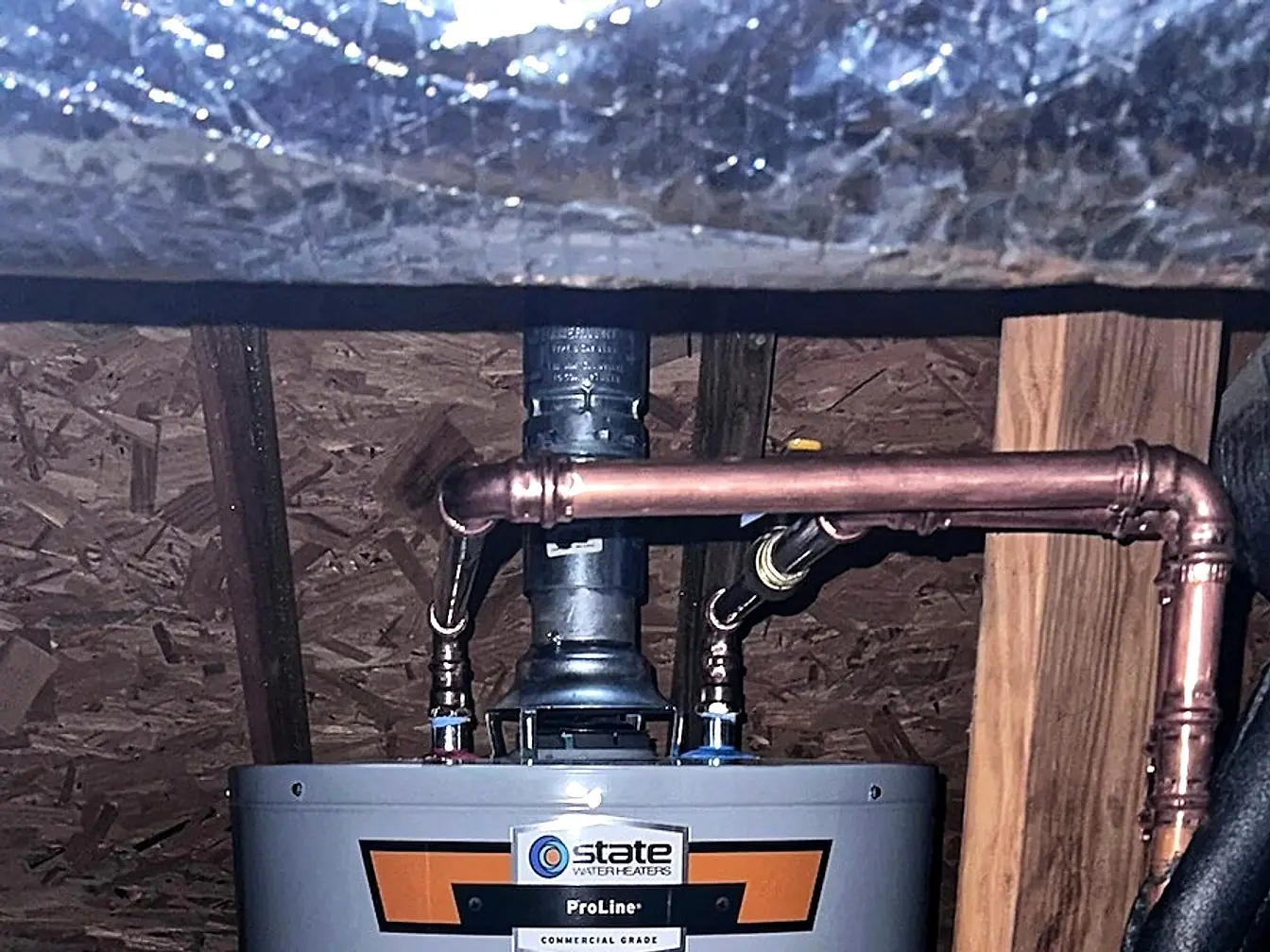
Water Heater Repair & Installation
Repair, replacement, tank and tankless — same-week installs, upfront pricing.
 FREE
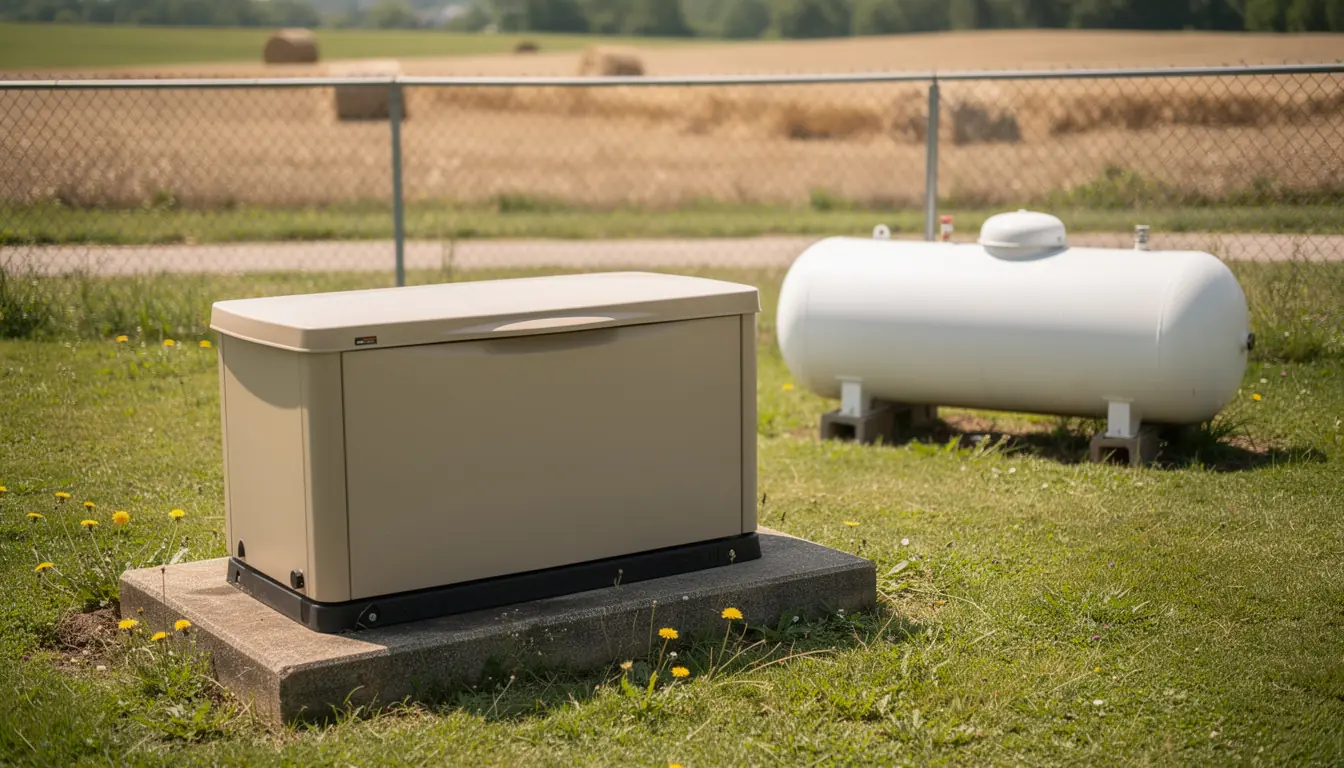
FREEGenerac Whole-Home Generator Estimate
Forecasters have the Mid-South in line for ice this winter. Last year we installed Generac standby generators right up until the storm arrived — and heard from plenty of families who ran out of time. Free sizing visit, one upfront installed price, financing available, and the gas line, permits and transfer switch handled by the crew that already holds the license.
Expires February 28, 2027 · The sizing visit and quote are free and carry no obligation. Installation is priced per home and approved by you before anything is ordered. Financing subject to credit approval.
Water heaters fail two ways: slowly, as sediment and scale build up inside a tank until it's noisy, inefficient, and eventually leaking, or suddenly, when a tank rusts through and empties itself onto the floor. We handle both tank and tankless systems, for repair and full installation, and we'll tell you honestly when a repair is realistic and when a unit is simply at the end of its service life. Either way, the first step is figuring out which kind of failure you're actually dealing with, not jumping straight to replacement before we know which one it is.
Sizing matters more than most people realize. A tank that's too small runs out of hot water with two showers back-to-back; a tankless unit that's undersized for the house struggles the moment a shower and the dishwasher run at the same time. We size to how the household actually uses hot water, not just to whatever unit happens to fit the existing space most easily.
West Tennessee's moderately hard water is rough on water heaters specifically — mineral scale builds up on tank heating elements and inside tankless heat exchangers, which is why heaters here often show problems earlier than their rated lifespan would suggest. Builder-grade tanks in newer subdivisions are a common case: solid units when installed, but ones that tend to start showing their age right around the ten-year mark, about the time scale buildup catches up with them.
At a glance
Tank water heaters
Tank water heaters suit most households well — they're straightforward to install, generally less involved to service, and forgiving of homes with standard venting and hookups already in place. The tradeoff is a fixed hot water supply: run the tank dry with back-to-back showers or a shower and a load of laundry at once, and you're waiting on a recovery cycle.
Tankless water heaters
Tankless units heat water on demand, so there's no tank to run out and a smaller footprint, and a well-maintained unit can outlast a tank heater by a wide margin. Locally, the tradeoff is maintenance: because our water is moderately hard, the heat exchanger needs periodic descaling to keep scale from restricting flow, and skipping that maintenance erodes the advantage a tankless unit is supposed to give you.
Watch for these signs
Quick answers
Should I repair my water heater or just replace it?
It depends on age and what's actually failed — a bad thermostat or heating element on a unit that's only a few years old is usually worth repairing, while a tank that's rusting through or well past the ten-year mark generally isn't. We'll look at the actual unit and give you a straight answer, including telling you when a repair is the right call even though a replacement is the bigger job for us.
Do tankless water heaters need more maintenance because of our water here?
Yes — moderately hard water is common across our service area, and it leaves mineral scale inside a tankless unit's heat exchanger faster than softer water would. Periodic descaling keeps flow and efficiency where they should be; skip it for years and you'll usually see reduced hot water flow or the unit working harder than it should before anything actually fails.
Related
More plumbing services
Emergency Plumbing
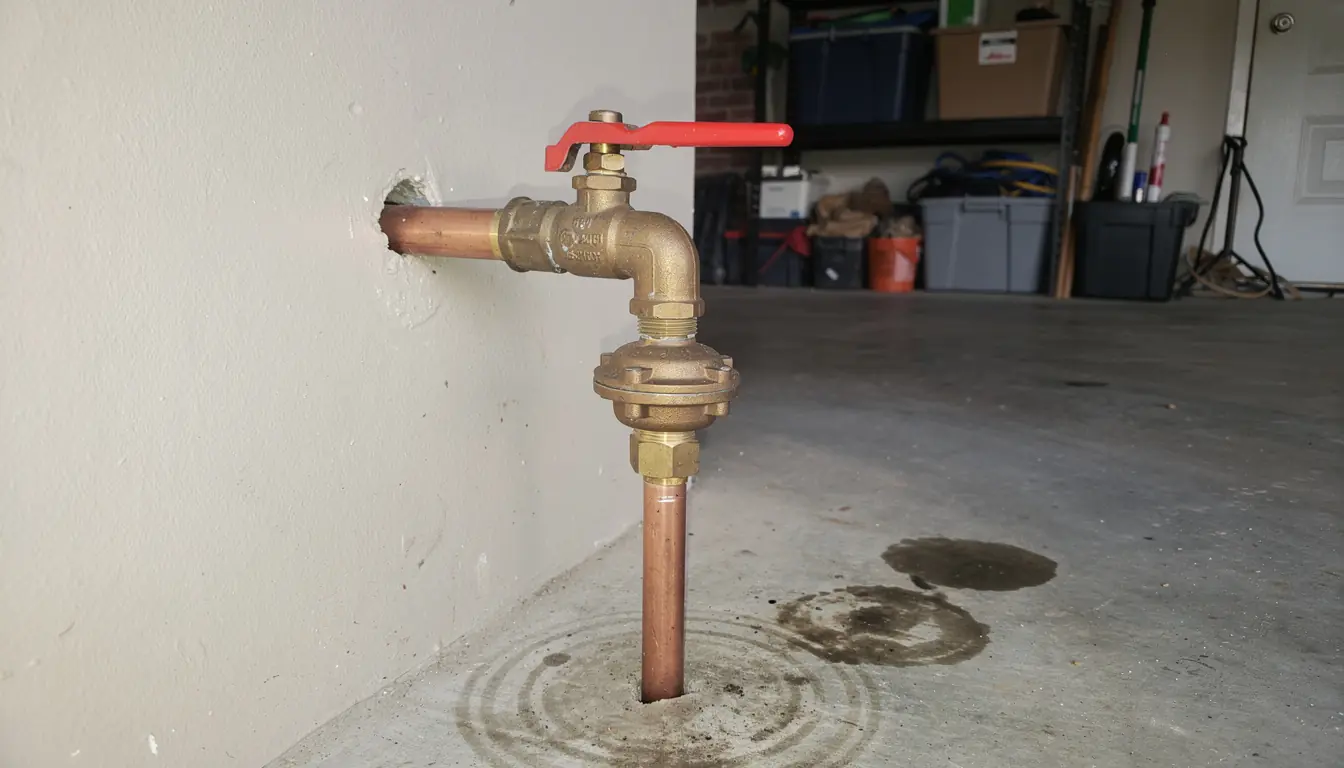
Burst pipe? Sewage backup? No water? A licensed plumber is on call right now.
Learn more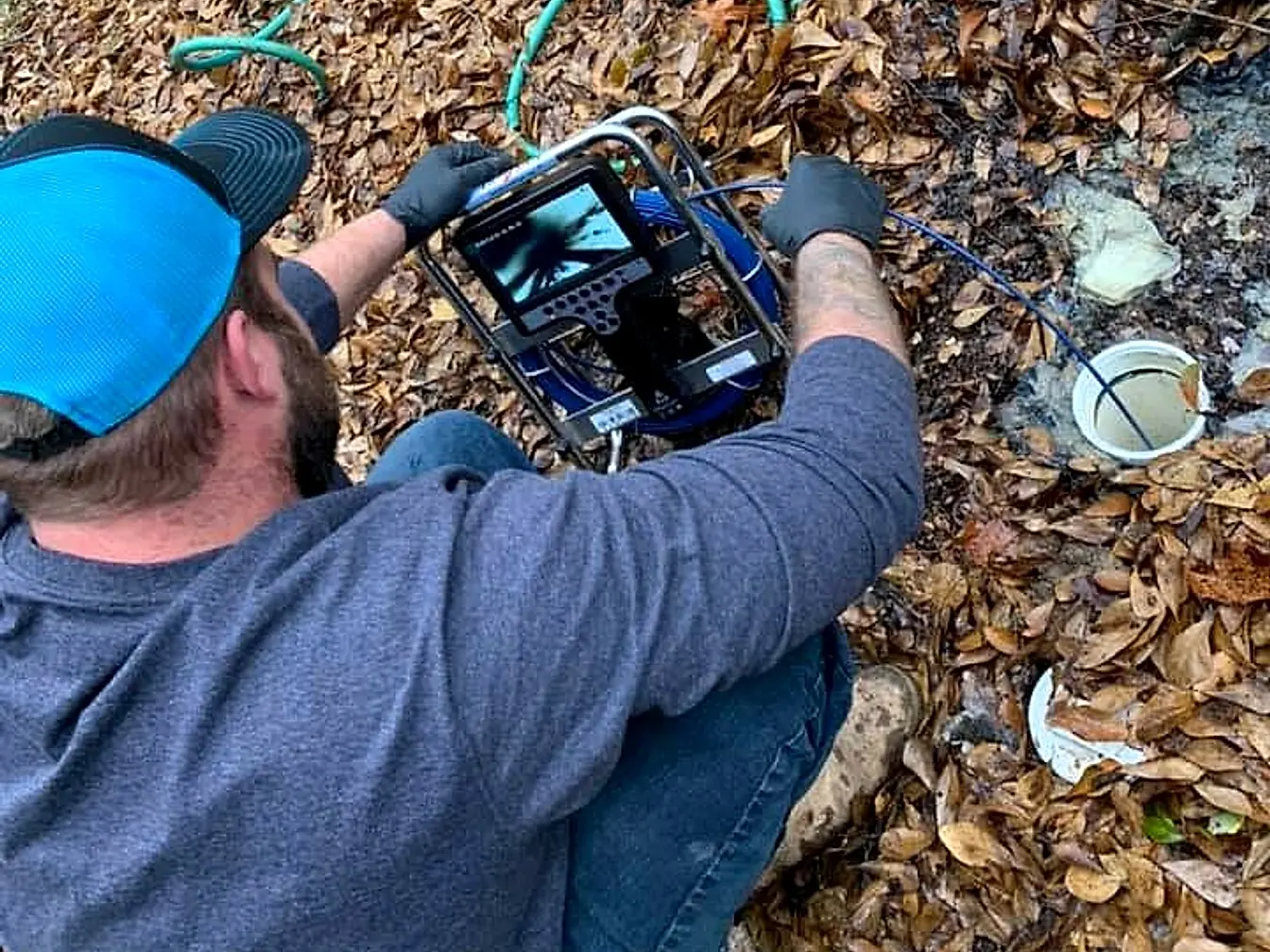
Drain & Sewer
Slow drains, main line clogs, camera inspections — cleared and verified.
Learn more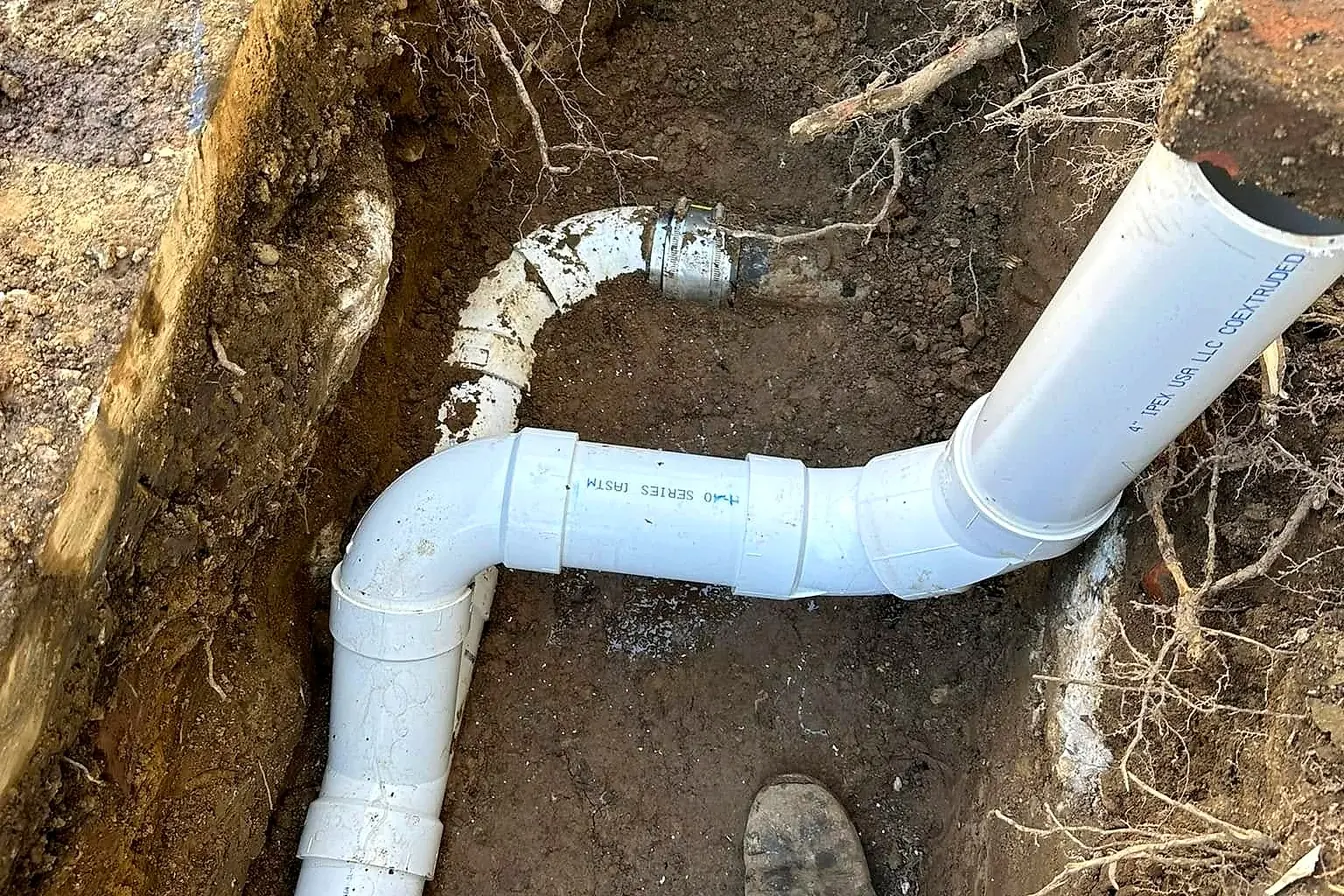
Pipe Repair & Repiping
Freeze damage, slab leaks, aging galvanized lines — repaired or replaced right.
Learn more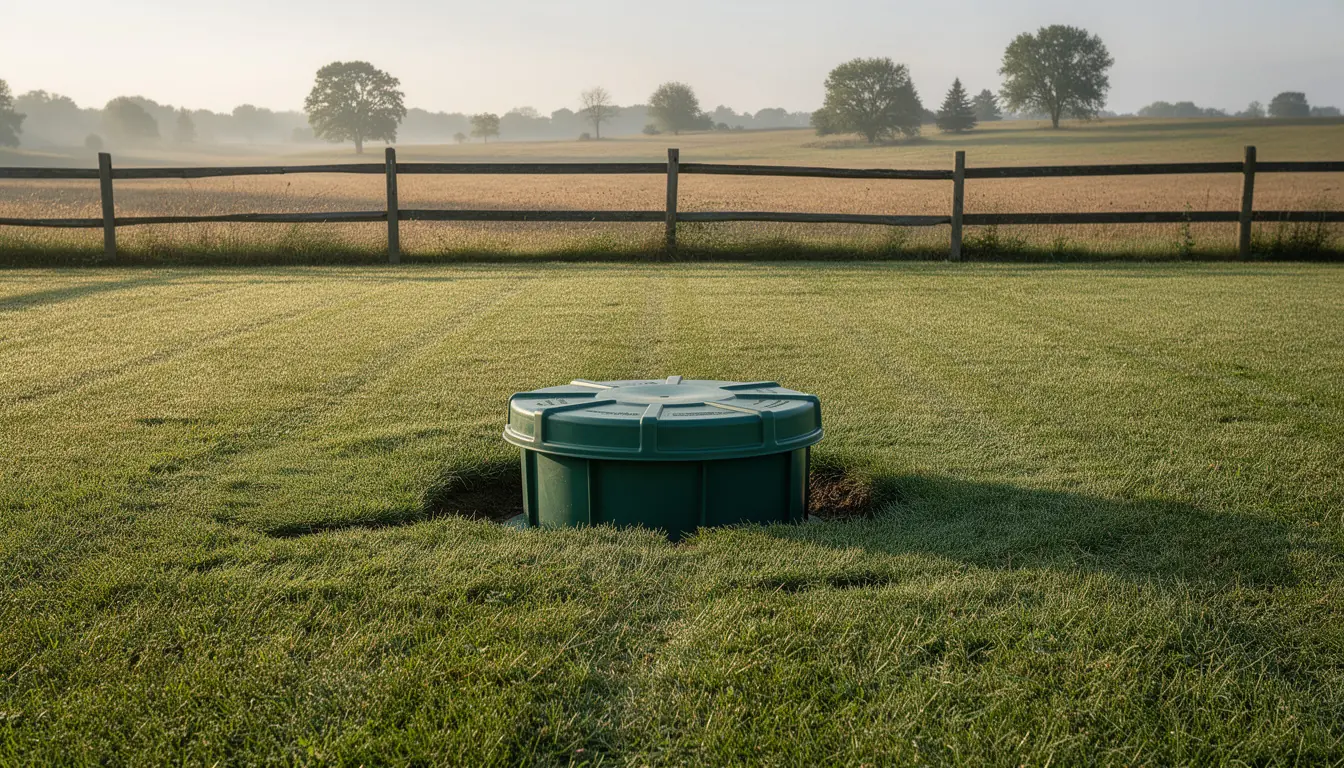
Septic Services
We install and repair septic systems across Tipton County — and do our own excavation. Diagnosis first, price before work.
Learn more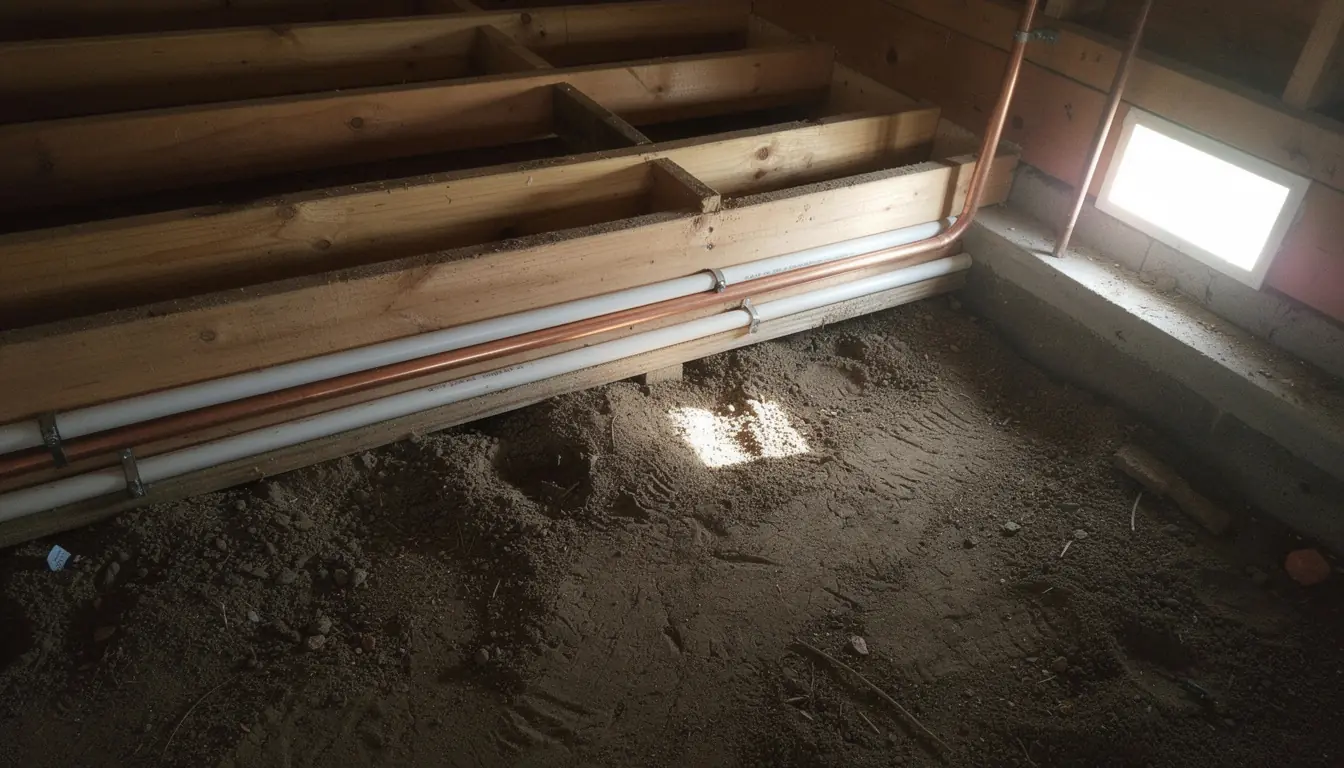
Sewer Services
Sewer line repair, replacement, and cleanout installs — we locate the actual defect before anyone digs up the yard.
Learn more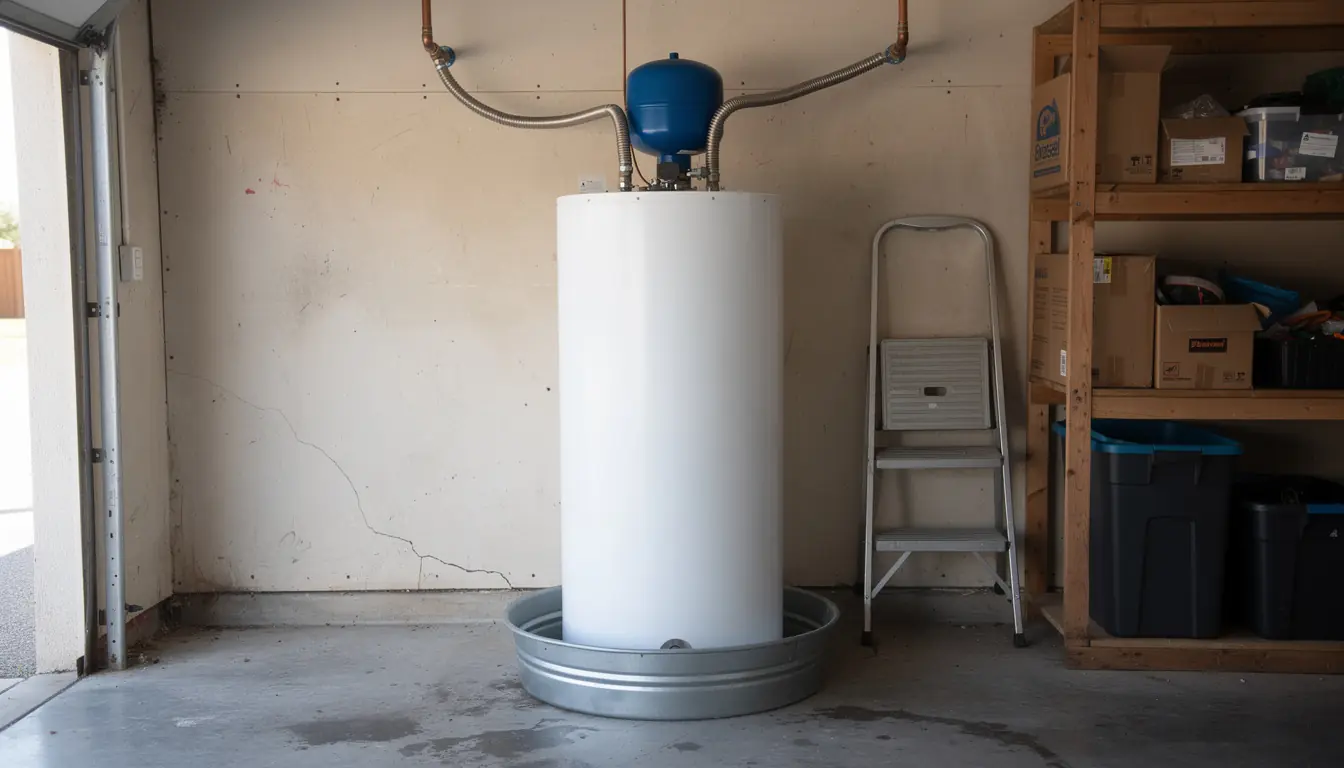
Water Heater Installation
The replacement side of the job — tank and tankless, sized to the household, installed to code, old unit hauled away.
Learn moreNeed a hand? We answer 24/7.
Upfront pricing · Licensed local techs · If it's not right, we make it right