
Plumbing
Septic System Installation & Repair
We install and repair septic systems across Tipton County — and do our own excavation. Diagnosis first, price before work.
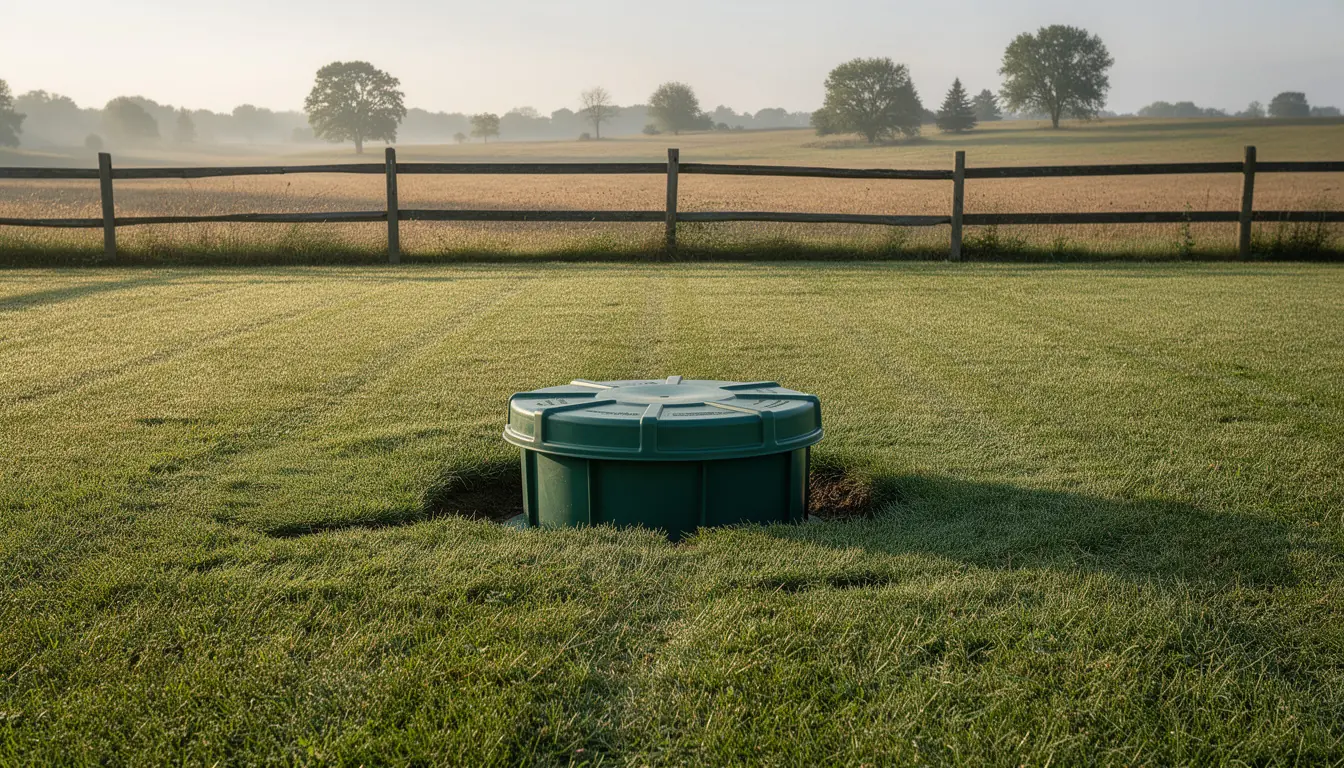
We install and repair septic systems, and we run our own excavation equipment — which matters more than it sounds, because nothing gets lost in translation between a diagnosis and somebody else's bid to dig. Septic work in Tennessee is permitted, regulated work: the state keeps a registry of septic system installers, and we're on it under permit #13365, alongside our TN contractor license #77023. What we won't do is quote a new drain field over the phone. Symptoms that look identical from the kitchen sink can come from a plugged inlet, a collapsed lateral, a saturated field, or plain hydraulic overload from a household that outgrew the system, and those are four different jobs at four different prices.
West Tennessee's clay soil is why so many septic problems here are seasonal. Clay drains slowly and holds water, so after a long wet stretch the ground around the lateral lines is already saturated — and a drain field that can't shed water can't accept any more of it. That's how a system that behaved perfectly in August starts gurgling in February. The distinction that matters is whether it recovers. A field that struggles through the wet season and comes back when the ground dries out is a field running at its limit, and that's the moment to have it evaluated. A field that no longer recovers has usually crossed over into actual failure. Our septic guide covers the habits that push a system to that line years early.
On the first visit, the job is finding the system and reading it: locating the tank and the field, checking levels and the condition of the inlet and outlet baffles, and looking at where surface water goes on the property — a downspout or a regraded driveway routing runoff across the lateral lines will drown an otherwise healthy field on its own. Some of what we find is genuinely small: a cracked lid, a settled riser, a lateral crushed where something heavy got parked. Some of it is a new field. Either way, the excavation gets planned before it starts — where the machine gets in, where the spoil goes, and what the yard will look like once it's backfilled. You'll know all of that before we break ground.
At a glance
Repair what's actually broken
The cheapest good outcome, and more common than people expect. A cracked lid, a failed baffle, a lateral crushed by a truck or a trailer, roots in a line, surface water being dumped across the field — every one of those looks like a dead system from inside the house, and every one of them is fixable without replacing anything major. It's the first thing we try to rule in or out, because everything else on this list costs a multiple of it.
New drain field, existing tank
When the tank is structurally sound but the field has stopped accepting water, the field can be replaced on its own. It's still a real excavation job — new trenches, new lateral lines, an area of yard committed to the system — but it costs less than starting from scratch and keeps a good tank in service. Whether it's on the table depends on the tank's actual condition and whether the property has suitable area for a new field.
Full system replacement
Tank and field both. That's where you land when the tank itself has failed, when the system was undersized for the house from the day it went in, or when a run of repairs has stopped buying meaningful time. It's the largest version of this job and we treat it accordingly: a full look at the site first, and a price in your hand before anything moves.
A new system for construction or an addition
New builds and additions start from the site, not the house. The soil and the available area decide what kind of system the property can hold, and the number of bedrooms decides how big it has to be. That's worth finding out early — it's a constraint that's cheap to design around before a foundation goes in and expensive to discover after the framing is up.
Watch for these signs
Quick answers
What actually drives the price of septic work?
Depth and digging, mostly. A tank sitting a few feet down in an open side yard is a different job than one under a deck with the only equipment access through a fence line. After that: whether the tank itself is sound or has to be replaced, whether the fix is one crushed lateral or an entire new field, how many bedrooms a new system has to be sized for, and what has to be put back once the hole is filled. We look at the actual system before we price it. Diagnosis first, price before work — that part doesn't change.
My drain field is failing. Does that always mean a new one?
No, and it's worth knowing before you spend like it does. A fair number of 'failed field' calls turn out to be something upstream of the field: a plugged inlet or outlet baffle, a lateral crushed by vehicle traffic, roots into a line, or surface water being routed onto the field by a downspout or a driveway that got regraded. Fix the cause and the field often recovers. A field that's genuinely saturated and no longer coming back between wet spells is a different story, and we'll tell you that plainly too. The expensive mistake is paying for the big answer before anyone has confirmed which one you've got.
Does septic work need a permit, and who inspects it?
Septic installation and repair in Tennessee is permitted, regulated work, and the state maintains a registry of permitted installers — we're on it under permit #13365. Practically, that means a new system or a substantial repair involves review of the site and its soils before anyone digs, rather than a contractor deciding on his own what the ground will take. Bring it up early in the conversation and we'll walk you through what your specific property needs, because the requirements follow the site and the size of the system, not the company you hire.
What does the excavation actually do to my yard?
More than most people picture and less than they fear. A tank or field dig needs a machine on site, which means a route in, room to work, and somewhere to put the spoil while the hole is open. Once it's backfilled, the ground over the work sits slightly high and then settles over the following months as the soil consolidates — that's normal and expected, not a callback. We walk the access route with you before the machine comes off the trailer, so gates, fences, and anything you'd rather not see tire tracks across get sorted out ahead of time instead of afterward.
Related
More plumbing services
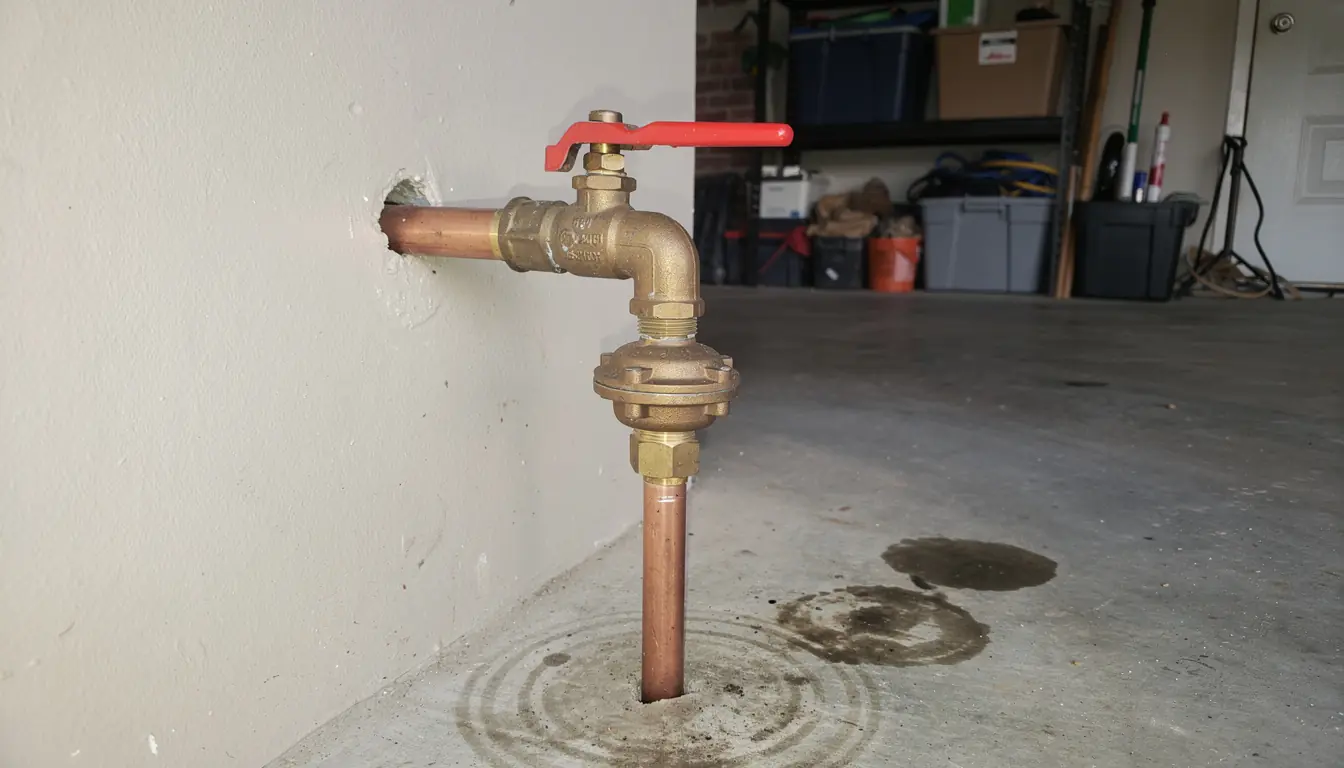
Emergency Plumbing
Burst pipe? Sewage backup? No water? A licensed plumber is on call right now.
Learn more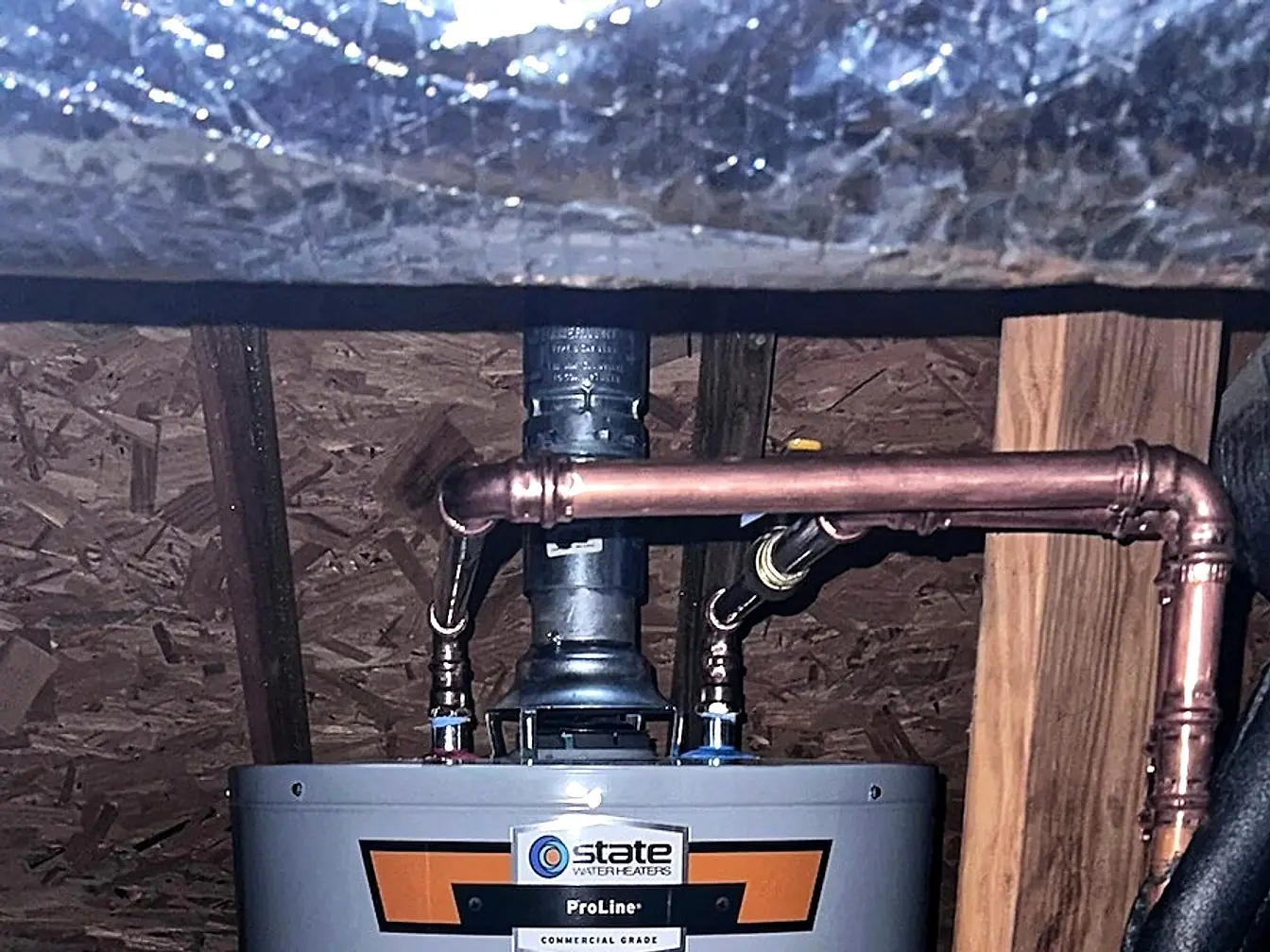
Water Heater Service
Repair, replacement, tank and tankless — same-week installs, upfront pricing.
Learn more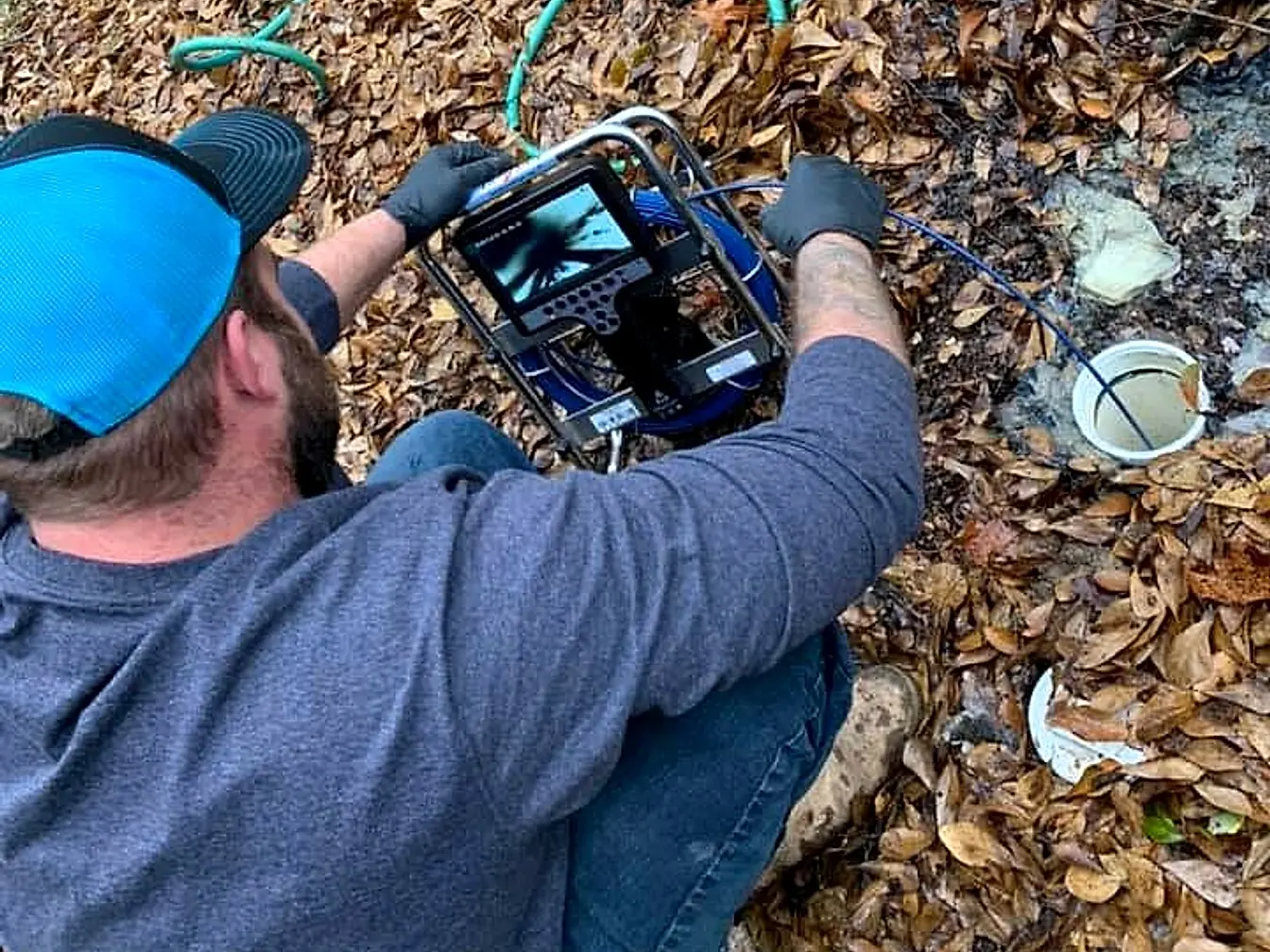
Drain & Sewer
Slow drains, main line clogs, camera inspections — cleared and verified.
Learn more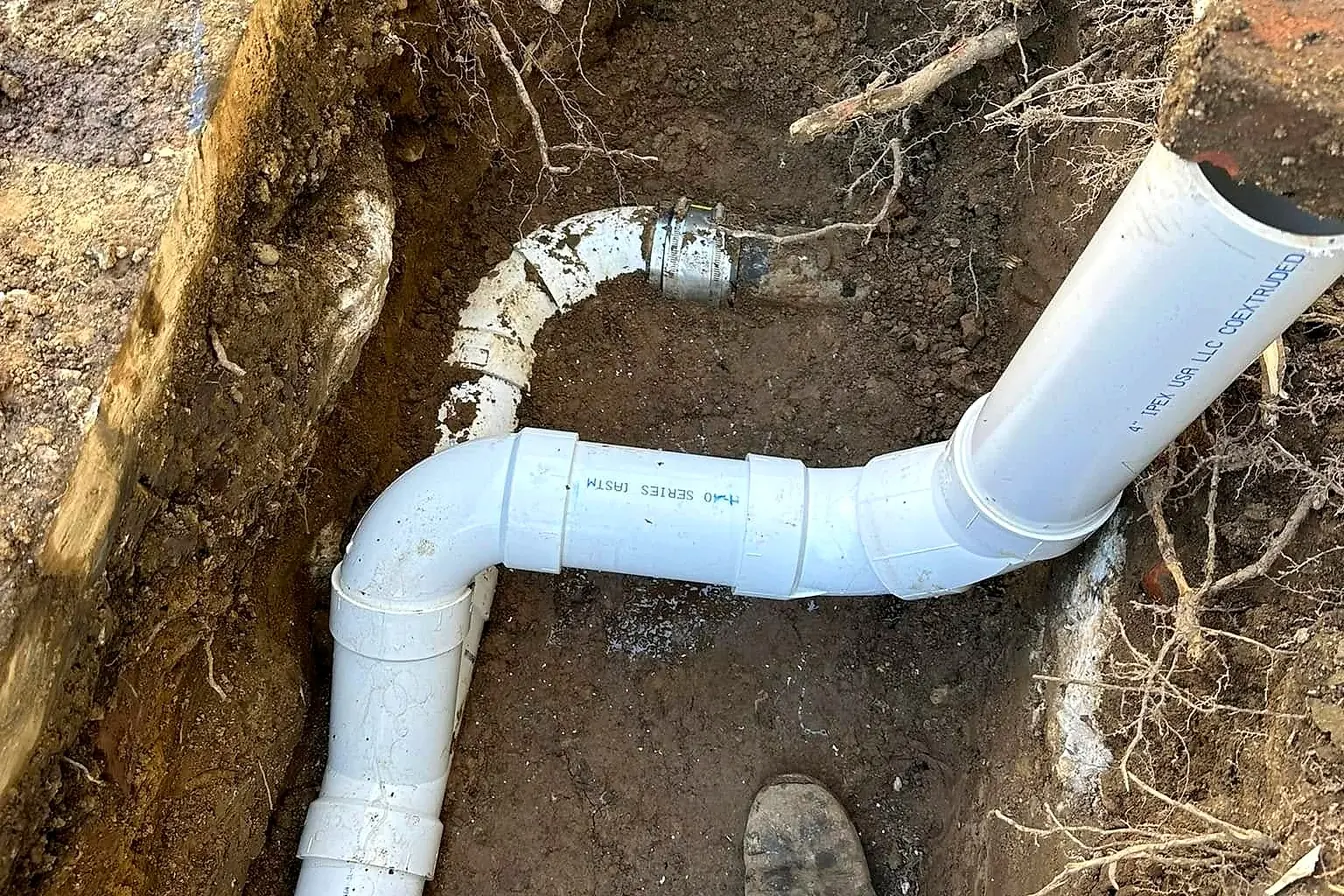
Pipe Repair & Repiping
Freeze damage, slab leaks, aging galvanized lines — repaired or replaced right.
Learn more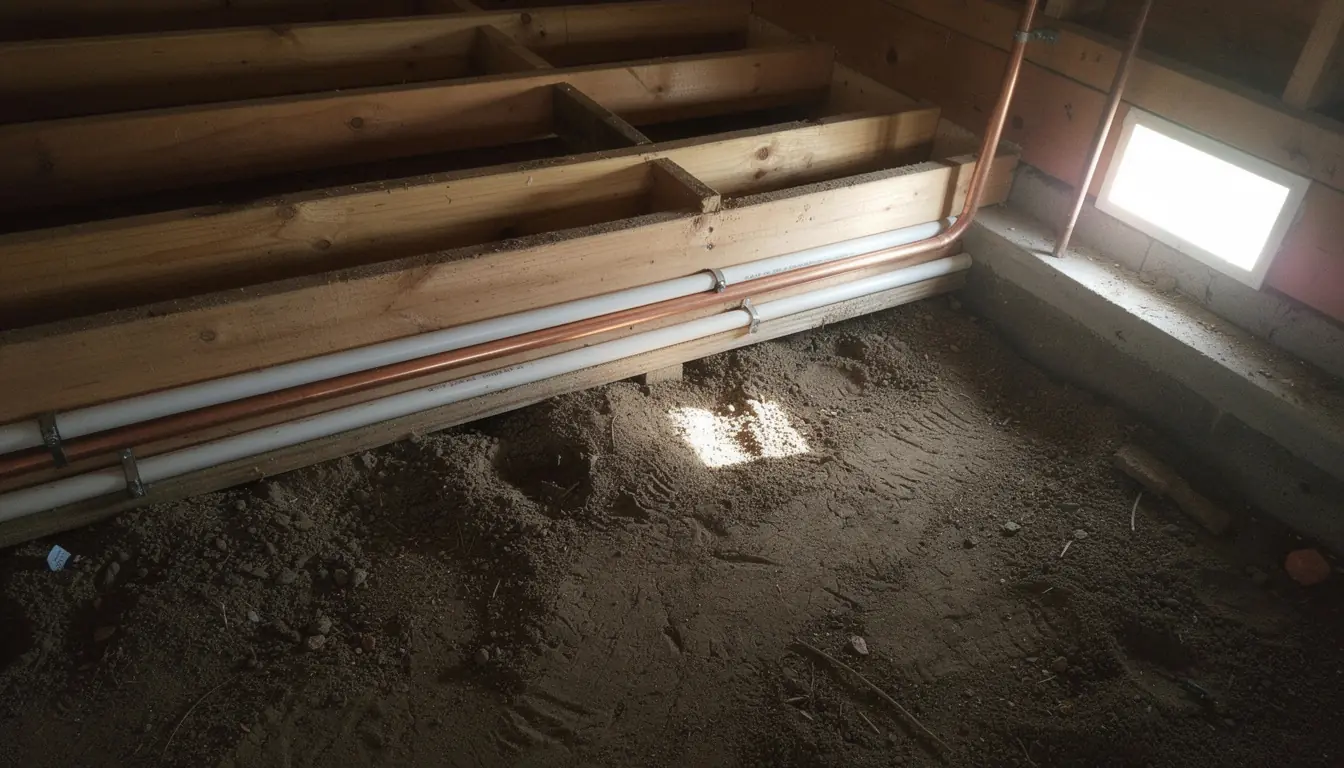
Sewer Services
Sewer line repair, replacement, and cleanout installs — we locate the actual defect before anyone digs up the yard.
Learn more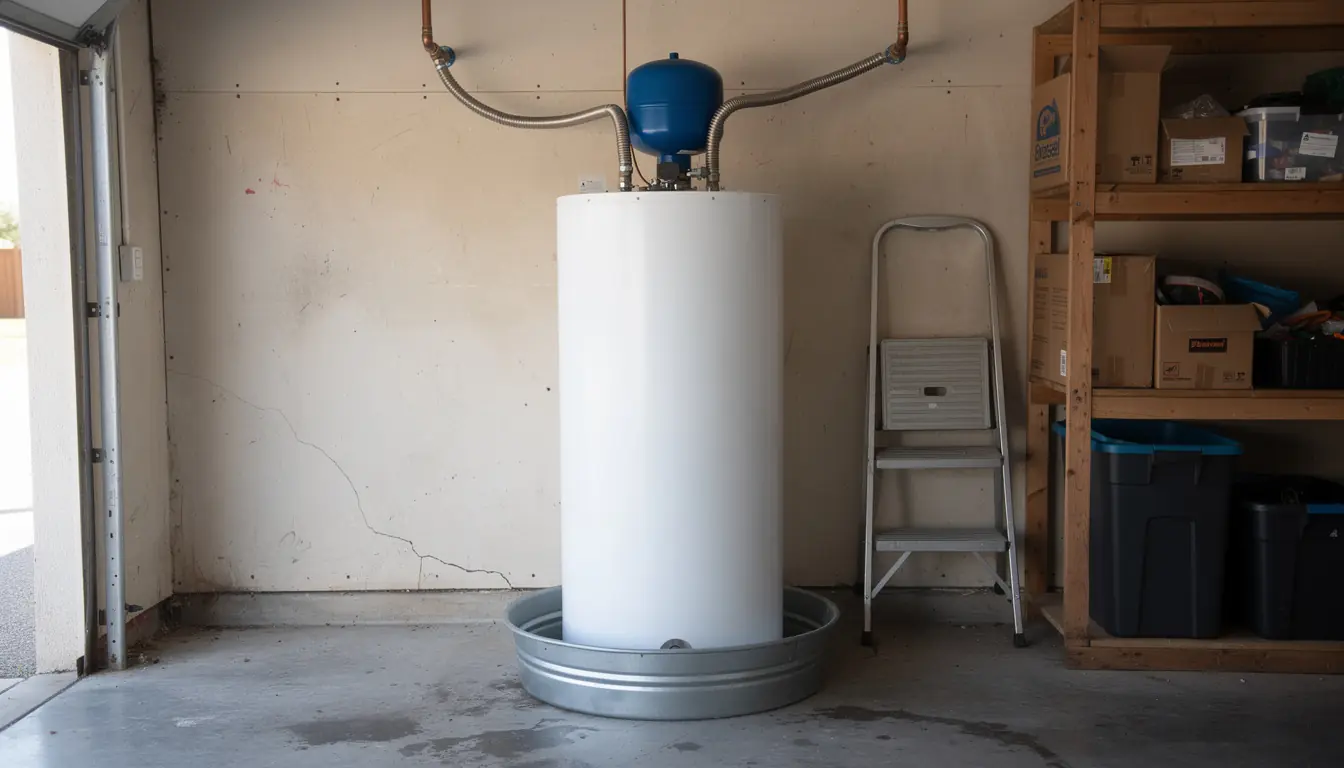
Water Heater Installation
The replacement side of the job — tank and tankless, sized to the household, installed to code, old unit hauled away.
Learn moreNeed a hand? We answer 24/7.
Upfront pricing · Licensed local techs · If it's not right, we make it right