
Plumbing
Sewer Line Repair & Cleanouts
Sewer line repair, replacement, and cleanout installs — we locate the actual defect before anyone digs up the yard.
Drain cleaning and sewer line repair solve two different problems, and the whole point of looking before digging is knowing which one you're paying for. Clearing a line removes what's inside the pipe — grease, paper, a root mass — and if that's the entire story, you're done and we'll leave it alone. When the pipe itself has a defect, clearing it just resets the clock. The tells are consistent: a machine that won't pass the same point twice, a line that backs up on roughly the same schedule every year, or a camera that comes back showing a joint pulled apart, standing water sitting in a low section, or a run that's simply broken. If clearing the line genuinely fixes it, clearing the line is what we'll quote.
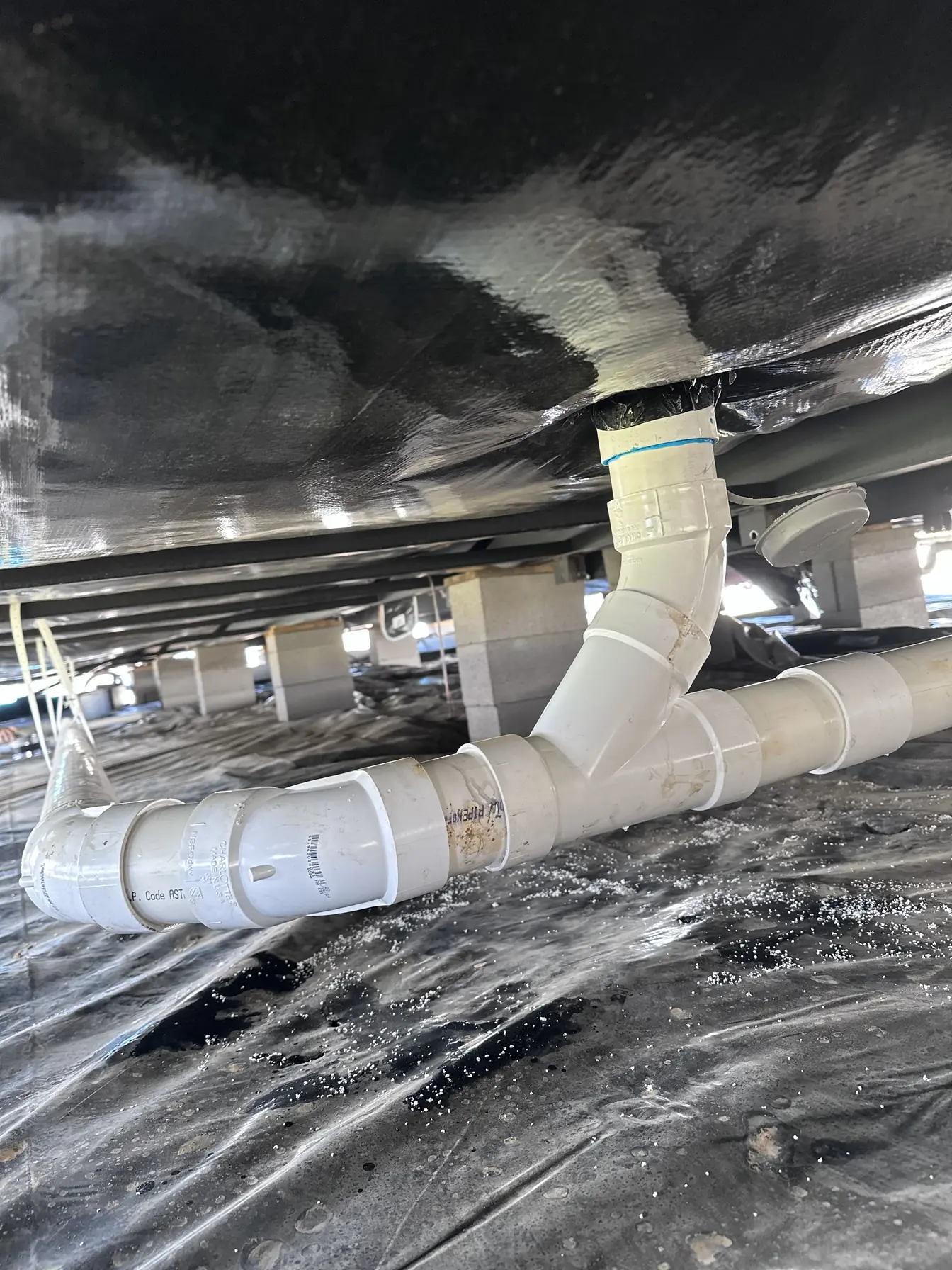
Sewer runs around here fail in a few predictable ways. Clay tile lines are joined section by section, which hands roots an opening at every joint — and a root mass that has found water inside a pipe doesn't stop growing. Cast iron corrodes from the inside until the interior is rough enough to catch anything passing through it. And our clay soil moves, swelling wet and shrinking dry, which is how a line laid at proper fall ends up with a bellied section that holds standing water and collects solids every time the house drains. Timing is a useful clue too: a line that only backs up during heavy rain is usually taking on groundwater through cracks or offset joints, which is a problem with the pipe rather than anything happening in your kitchen.
Before anything gets dug, the fault gets found. A camera shows what the defect is; a locate from the surface marks where it is and how deep, so the excavation is a targeted hole rather than a trench across the yard. We do our own excavation, which keeps the diagnosis and the dig under one roof instead of split between two companies. It also lets us be straight about the unglamorous parts: utility locates have to happen before ground is broken, and that's a real calendar item, not a stall. The other thing worth raising early is access. Plenty of houses here have no reachable cleanout outside, so every future service call has to work in through a roof vent or a pulled toilet — adding one is small work that pays for itself the first time something goes wrong.
At a glance
Camera and locate first
Not a repair, and the step we push hardest. A scope tells you what the defect is, where it sits, and how deep, which turns every option after it from a guess into a decision. It also settles the argument in your favor when the answer is that the line is fine and the problem was a one-off clog — that's a real result, not a wasted visit.
Add an outside cleanout
The smallest job on this list and often the best value on it. A cleanout is a capped access point on the sewer line outside the house. Without one, every service call has to work in through a roof vent or a pulled toilet — slower, messier, and more expensive for the exact same clog. If your house doesn't have an accessible one, adding it makes every future problem cheaper to deal with, including the ones at 2 a.m.
Spot repair
When the camera shows a single defect — one root-invaded joint, a crushed or offset section, a short bellied run — on a line that's otherwise in decent shape, the fix is one excavation at that point and a new section of pipe. There's no reason to touch the rest of the line, and we won't quote you as if there were.
Full line replacement
For lines failing along their length instead of in one place: old clay tile with roots at multiple joints, or cast iron corroded end to end. Repairing that a defect at a time means paying for the setup and the dig repeatedly to keep the same tired pipe in service. When the camera shows that pattern, replacing the run is the cheaper answer over any reasonable stretch of time — and the footage makes that case better than we can.
Watch for these signs
Quick answers
How do you tell whether the line needs cleaning or actual repair?
A camera, and an honest reading of it. A sound pipe with a blockage in it is a cleaning job, and that's what we'll quote. Roots through a joint, a section holding standing water, a cracked or offset joint, or a collapsed run is a repair, and no amount of cabling changes that. It's worth insisting on the distinction in both directions: we'd rather clear a line than sell you a dig, and we'd rather tell you the pipe is finished than come back three times a year to clear the same forty feet of it.
What drives the cost of a sewer line repair?
Depth, and what's sitting on top of it. Several feet down under open lawn is a straightforward day of work; the identical repair under a driveway, a patio, mature landscaping, or out toward a road right-of-way is a different job, because everything you dig through also has to be put back. After that it's how long the affected run is, whether it's one spot repair or the whole line, soil and groundwater conditions, and how equipment gets into the yard at all. We locate the problem first and price from what's actually there — you'll have the number before we start.
Do you have to dig up my whole yard?
Usually not, and that's exactly why we locate the fault precisely instead of digging on a hunch. Most repairs come down to a single access hole at a known point and a known depth. A full line replacement is the exception, and it's the honest answer when the camera shows a line failing along its length rather than in one spot — doing a line like that one joint at a time means paying for the same excavation setup over and over to keep old pipe limping. If that's what yours looks like, we'll show you the footage and say so rather than asking you to take our word for it.
How long does a sewer repair take?
Diagnosis is usually one visit: camera the line, locate the defect, and you know what you're dealing with. A spot repair on a located fault is often a single day of digging once utility locates are complete — and those locates have to happen before excavation, so they're part of the timeline whether anyone likes it or not. A full line replacement depends on length, depth, and what's over the top of it, and nobody should be promising you a schedule for that before they've seen the line. Once we know what's down there, you get a real timeline.
Related
More plumbing services
Emergency Plumbing
Burst pipe? Sewage backup? No water? A licensed plumber is on call right now.
Learn more
Water Heater Service
Repair, replacement, tank and tankless — same-week installs, upfront pricing.
Learn more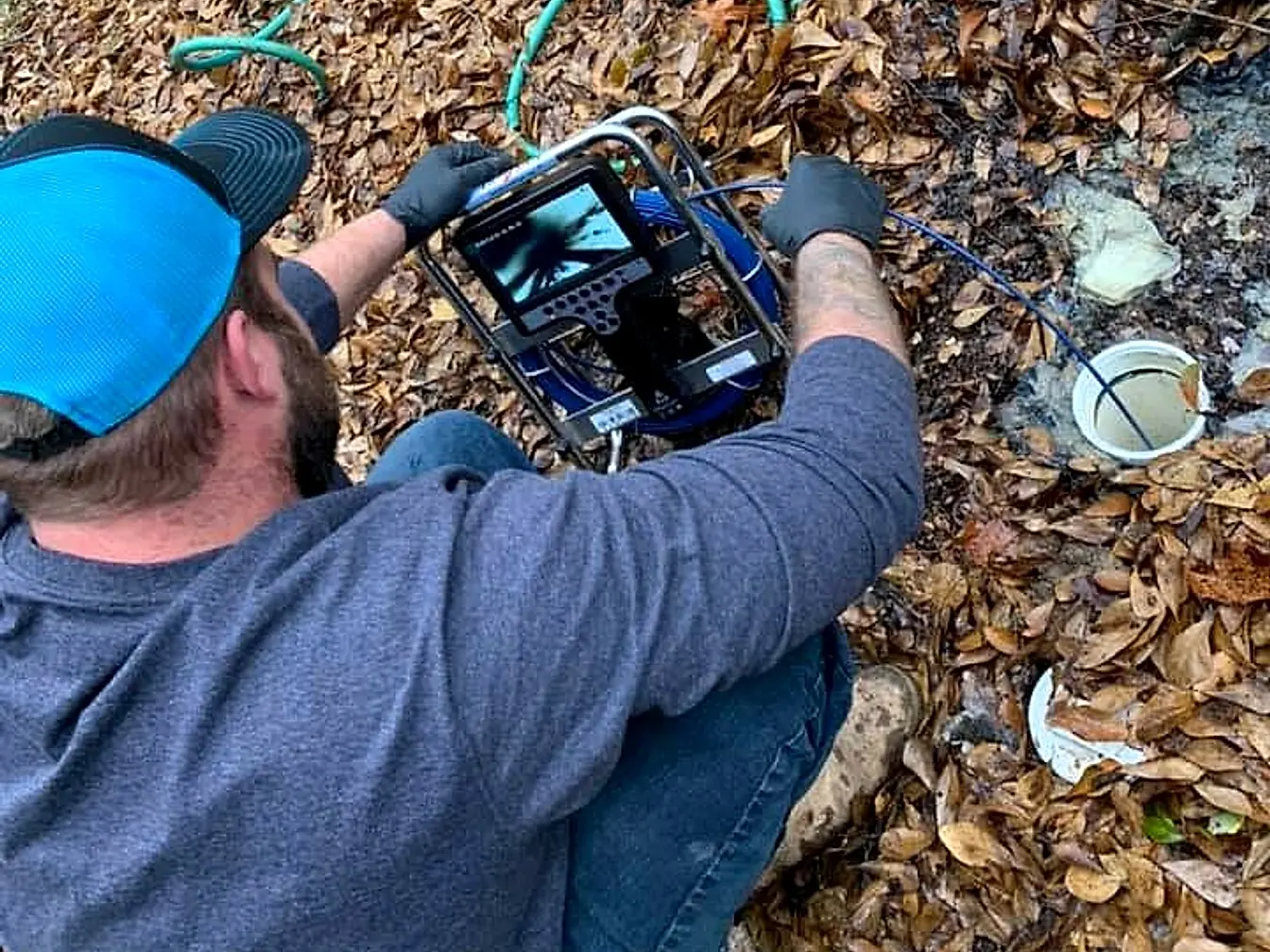
Drain & Sewer
Slow drains, main line clogs, camera inspections — cleared and verified.
Learn more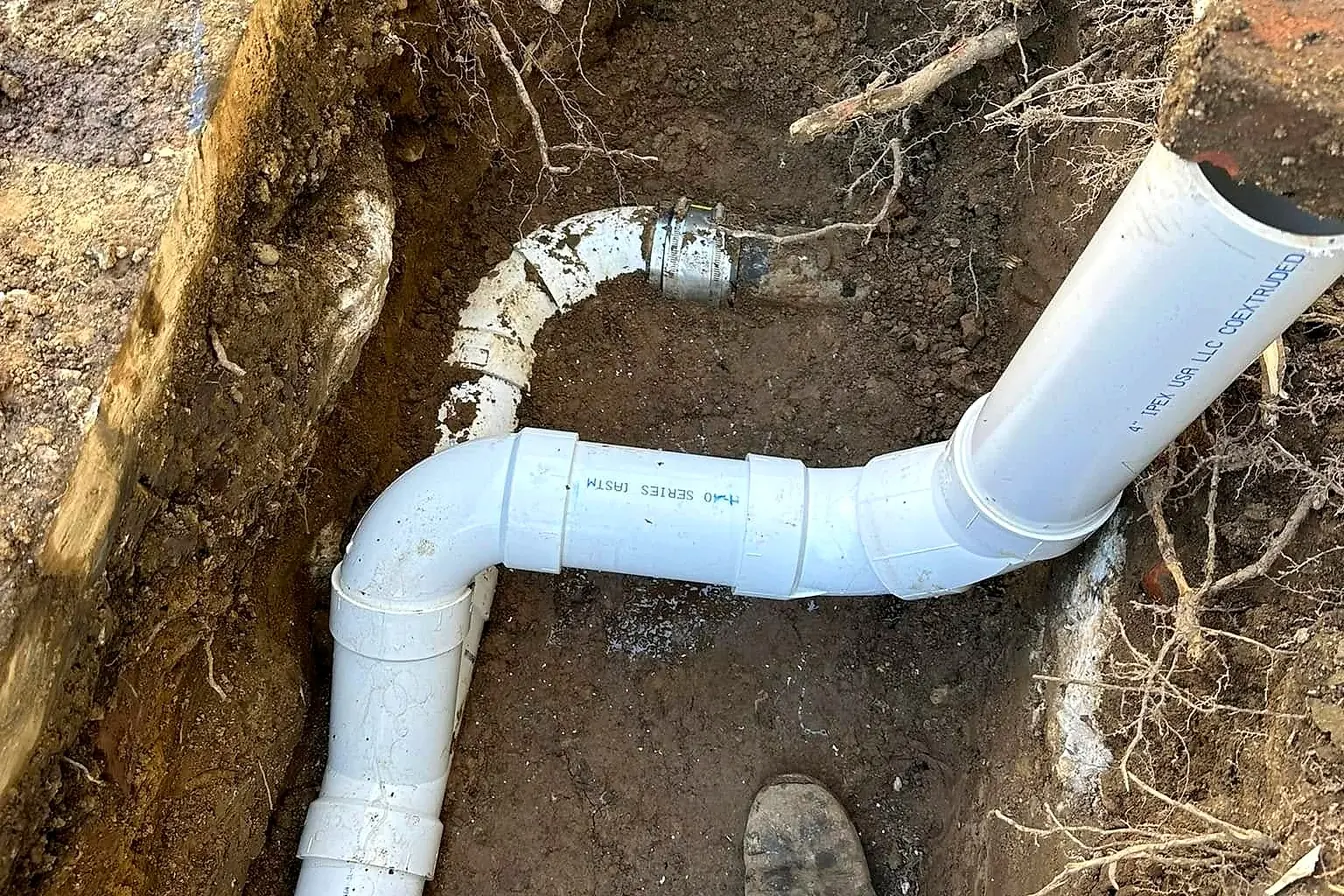
Pipe Repair & Repiping
Freeze damage, slab leaks, aging galvanized lines — repaired or replaced right.
Learn more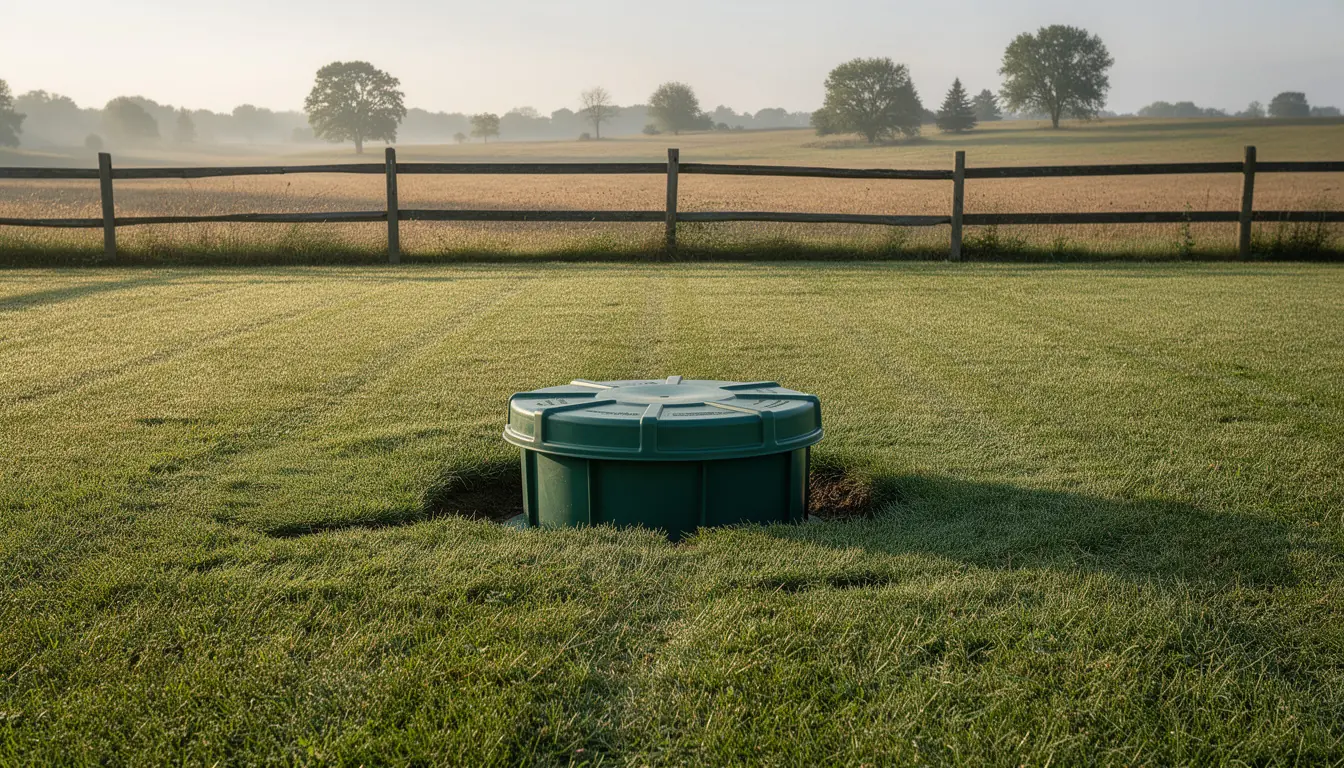
Septic Services
We install and repair septic systems across Tipton County — and do our own excavation. Diagnosis first, price before work.
Learn more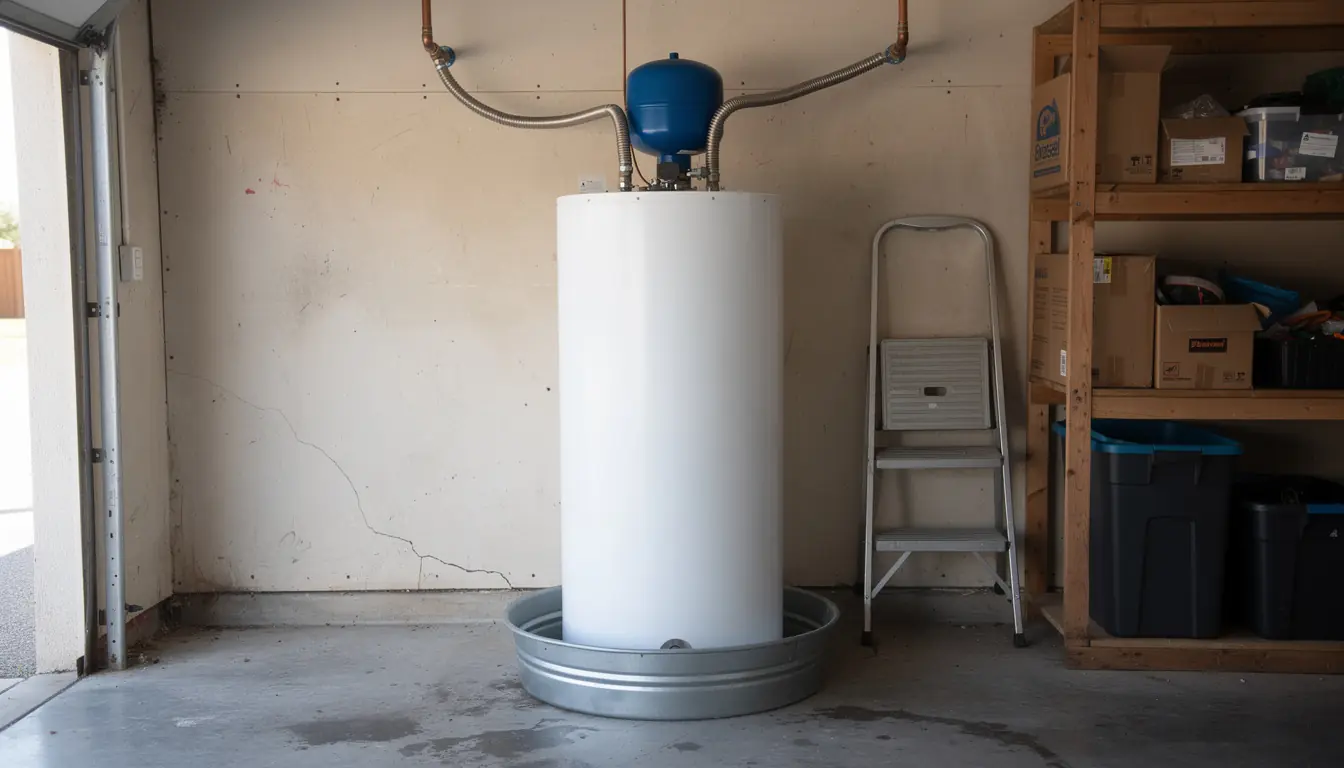
Water Heater Installation
The replacement side of the job — tank and tankless, sized to the household, installed to code, old unit hauled away.
Learn moreNeed a hand? We answer 24/7.
Upfront pricing · Licensed local techs · If it's not right, we make it right