
HVAC
Heating Repair & Furnace Service
Furnaces, heat pumps, emergency no-heat calls — warm by tonight.
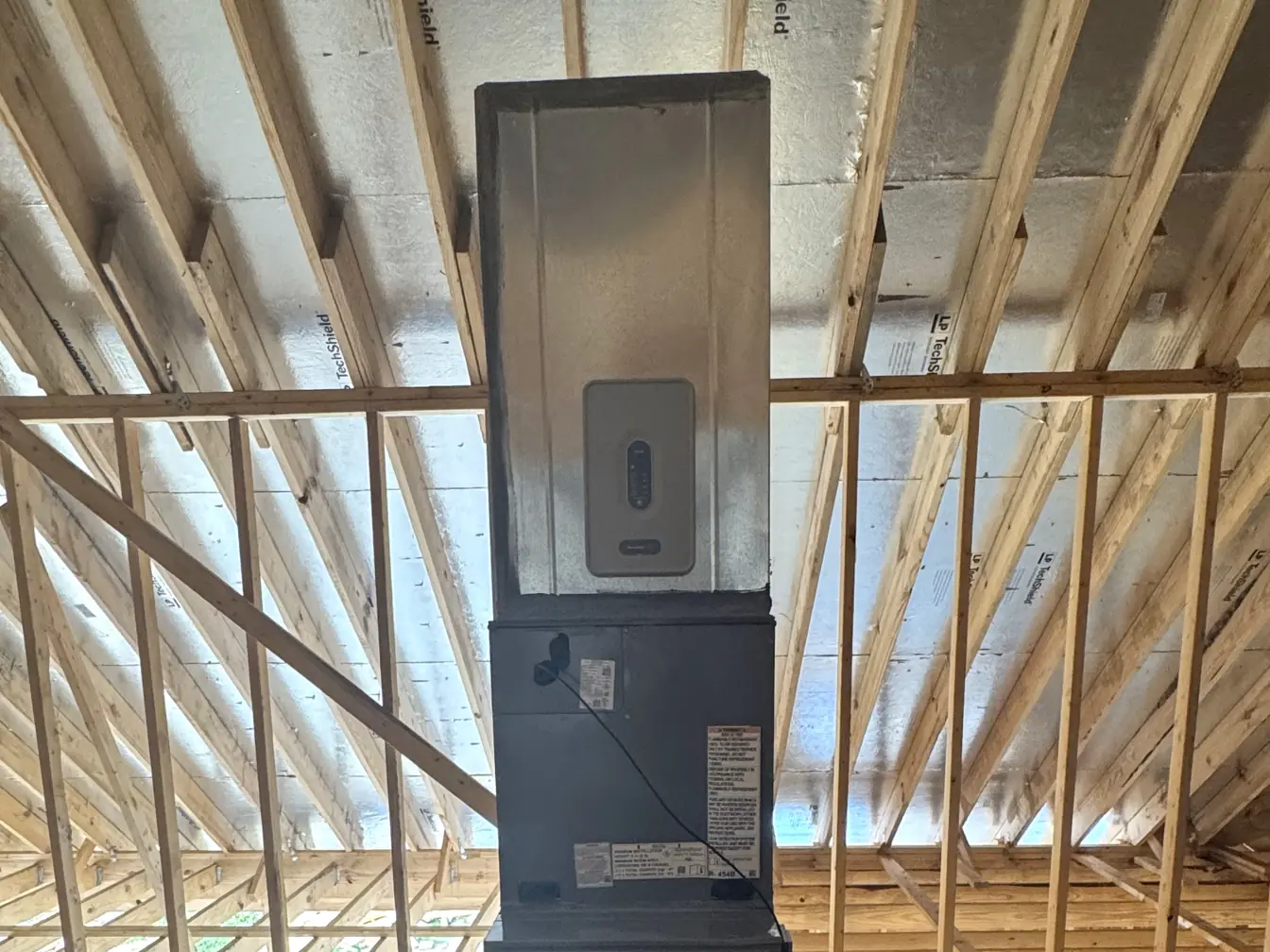
Heating in Tipton County means three different kinds of equipment depending on the house — gas furnaces, heat pumps, and straight electric heat — and each fails in its own way. Furnaces lose a pilot or igniter, clog a flame sensor with residue, or crack a heat exchanger with age; heat pumps struggle when they can't shift properly between heating and defrost mode or lose refrigerant charge; electric strip heat and older wall units usually come down to a bad element or a tripped safety switch. Whatever's installed at your place, we work on it, and we carry parts for the common failures so a lot of no-heat calls get fixed on the first visit.
A no-heat call on the first hard freeze of the year gets treated differently than a routine tune-up — the first cold night of the year is reliably the busiest no-heat night in Tipton County, and we triage those calls by who's at risk, moving homes with infants, elderly residents, or anyone with a medical condition to the front of the line. Every furnace visit includes a combustion and carbon monoxide check, because a cracked heat exchanger or a blocked flue isn't just a comfort problem, it's a safety one, and it's not something you can see or smell on your own.
We give you an upfront price before starting any repair and an honest read on whether it's worth fixing or time to replace — a furnace with a cracked heat exchanger is a straightforward call to replace for safety reasons, but plenty of no-heat calls turn out to be a simple, inexpensive part and nothing more. Either way, you'll know the price and the reasoning before we start turning wrenches.
Watch for these signs
Quick answers
What should I do if I smell gas near my furnace?
Leave the house, don't flip any switches or light anything, call your gas utility or 911 from outside, and then call us — a gas smell is not something to trace down yourself.
How do you check for carbon monoxide during a heating service call?
We inspect the heat exchanger for cracks, check the flue and venting for blockages, and test combustion, since a compromised heat exchanger can leak carbon monoxide into the air your furnace is blowing through the house with no obvious sign anything's wrong.
Related
More hvac services
AC Repair & Installation
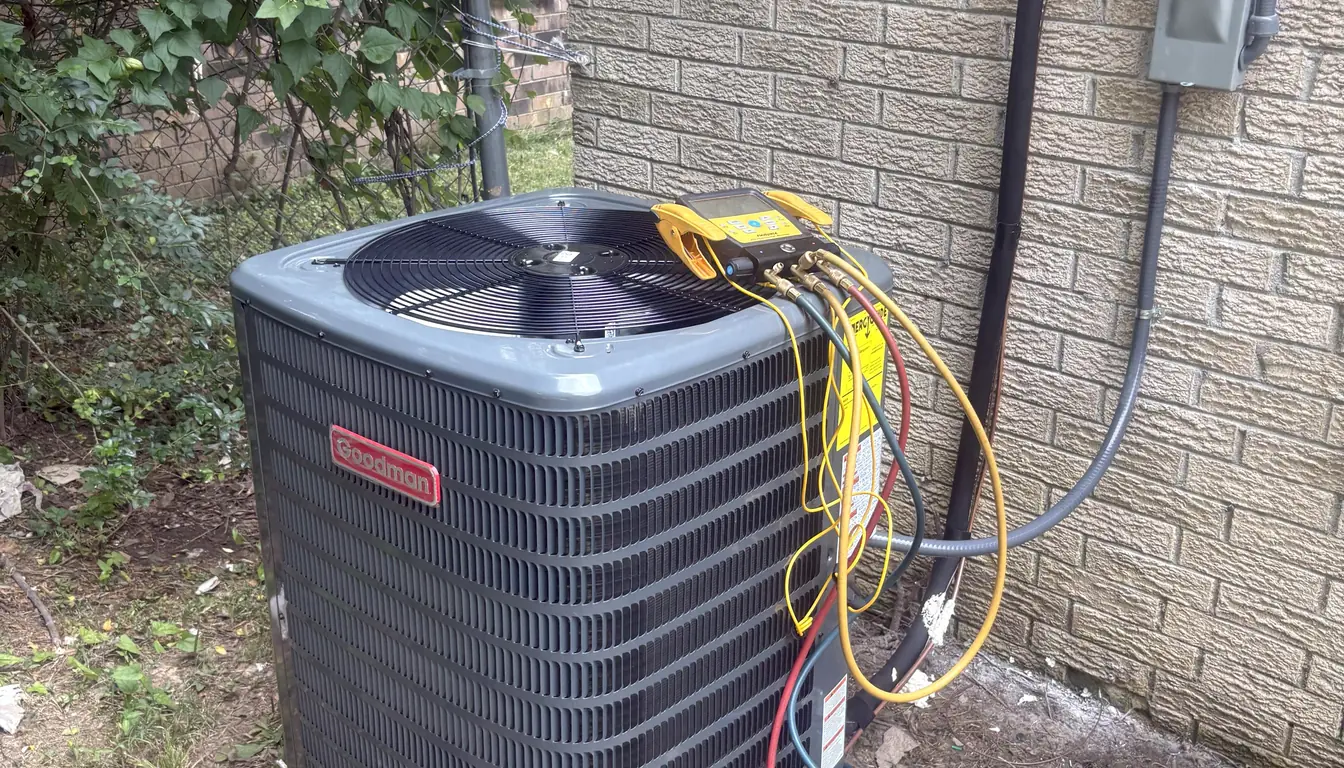
Fast diagnosis, honest repair-or-replace advice, emergency service in the heat.
Learn more
Maintenance Plans
Two tune-ups a year, priority scheduling, fewer breakdowns, longer system life.
Learn more
Indoor Air Quality
Humidity control, filtration, and duct health for allergy-heavy West Tennessee.
Learn moreNeed a hand? We answer 24/7.
Upfront pricing · Licensed local techs · If it's not right, we make it right