Most Tipton County families don't have a purpose-built storm shelter, and every one of those families deserves the best available plan for tonight — not a sales pitch. So here's the honest version of sheltering in a regular slab-built house, the way the weather service teaches it.
The whole principle is walls
Tornado injuries come overwhelmingly from wind-borne debris, and every wall between you and the outdoors is another layer that debris has to get through. That single idea picks your spot: lowest floor, smallest interior room, as many walls between you and outside as the floor plan allows, and no windows.
In most homes that means
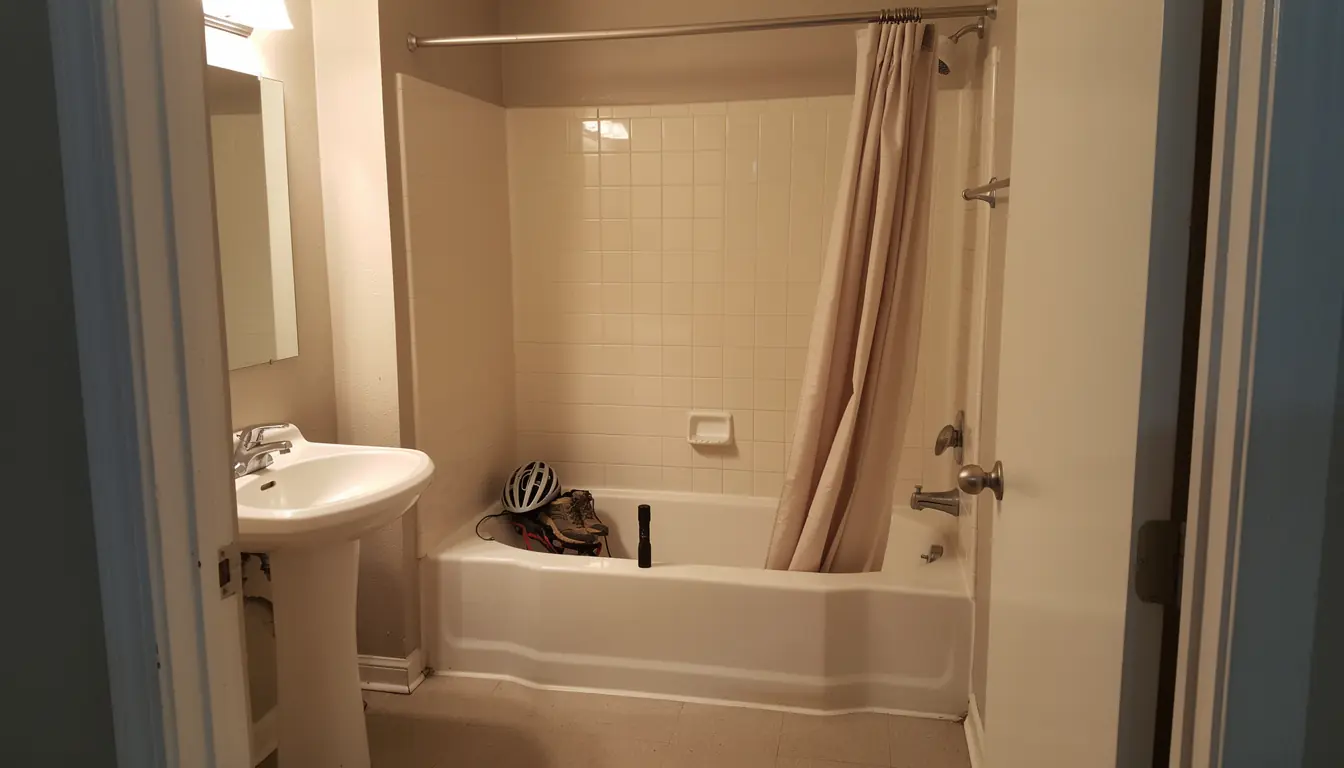
a bathroom, a closet, or an interior hallway on the ground floor. A bathtub is a genuinely decent option — it's low, it's anchored, and it puts smooth solid sides around you. Center-of-the-house beats edge-of-the-house. Under the stairs is often excellent. Upstairs is never the answer, however convenient the closet.
Cover is the difference-maker
A mattress or heavy blankets pulled over you turn near-misses into nothing. Bicycle helmets are the single best-proven injury reducer in tornado medicine — head injuries are the killer, and a $20 helmet on a shelf in your safe spot is the cheapest protection in this whole conversation. Sturdy shoes for everyone, because the ground outside afterward is glass and nails.
Where not to be
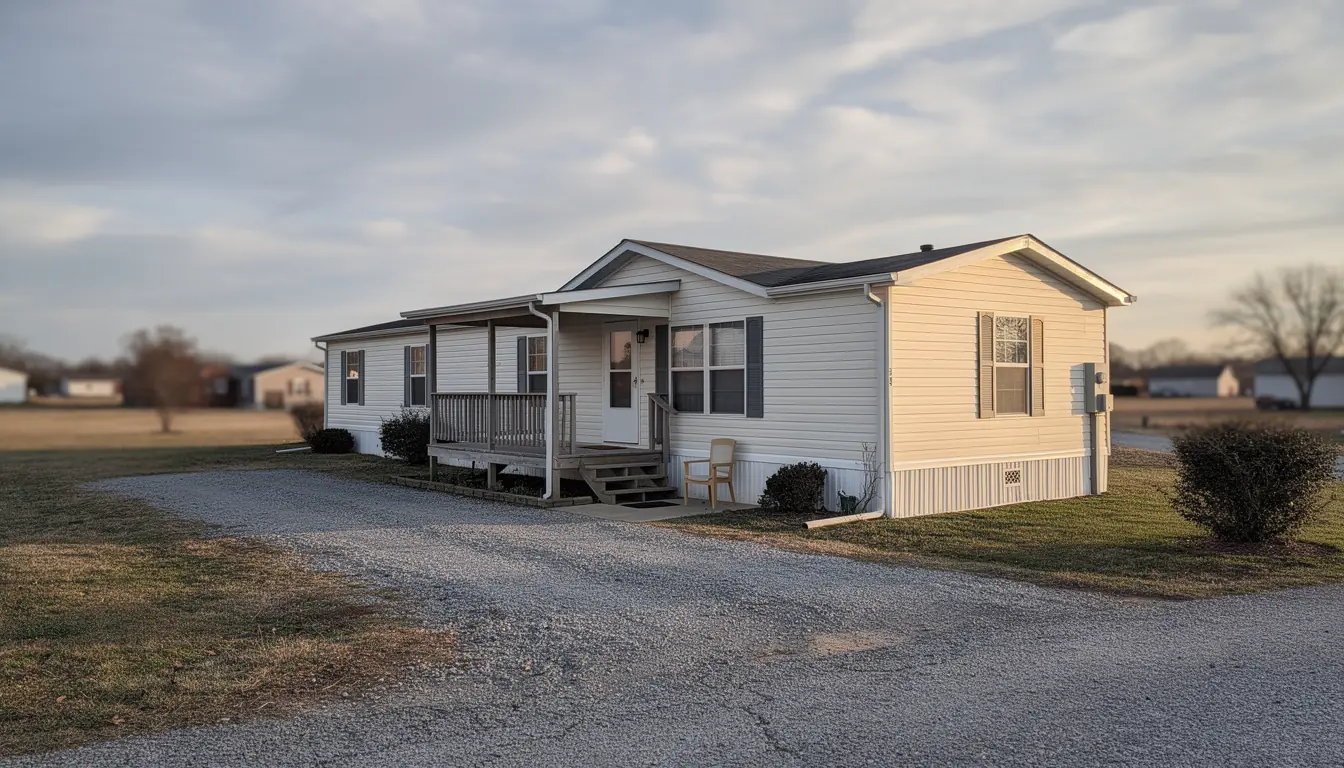
near windows, in the garage (big door, big spans, no interior walls), in a vehicle trying to outrun it, and never under a highway overpass — it funnels the wind and makes everything worse. If you live in a manufactured home, the honest answer is different and we wrote it straight in our mobile-home guide: the plan is to not be in it, decided at the watch, not the warning.
Afterward: stay put until the warning expires, then watch for downed lines and trust your nose — any gas smell means get clear and call from outside.
And the honest close
an interior room meaningfully improves your odds, and it is still not tested, rated protection — that's a different category, a rated and engineered shelter, and it's worth knowing the difference. Prodigy doesn't build or install shelters; if you decide to go that route, look for FEMA 320/361 and ICC-500 testing and a certified installer, then register the finished shelter with county emergency management so responders know it's there. Until then, tonight's plan is the closet with the helmets in it.