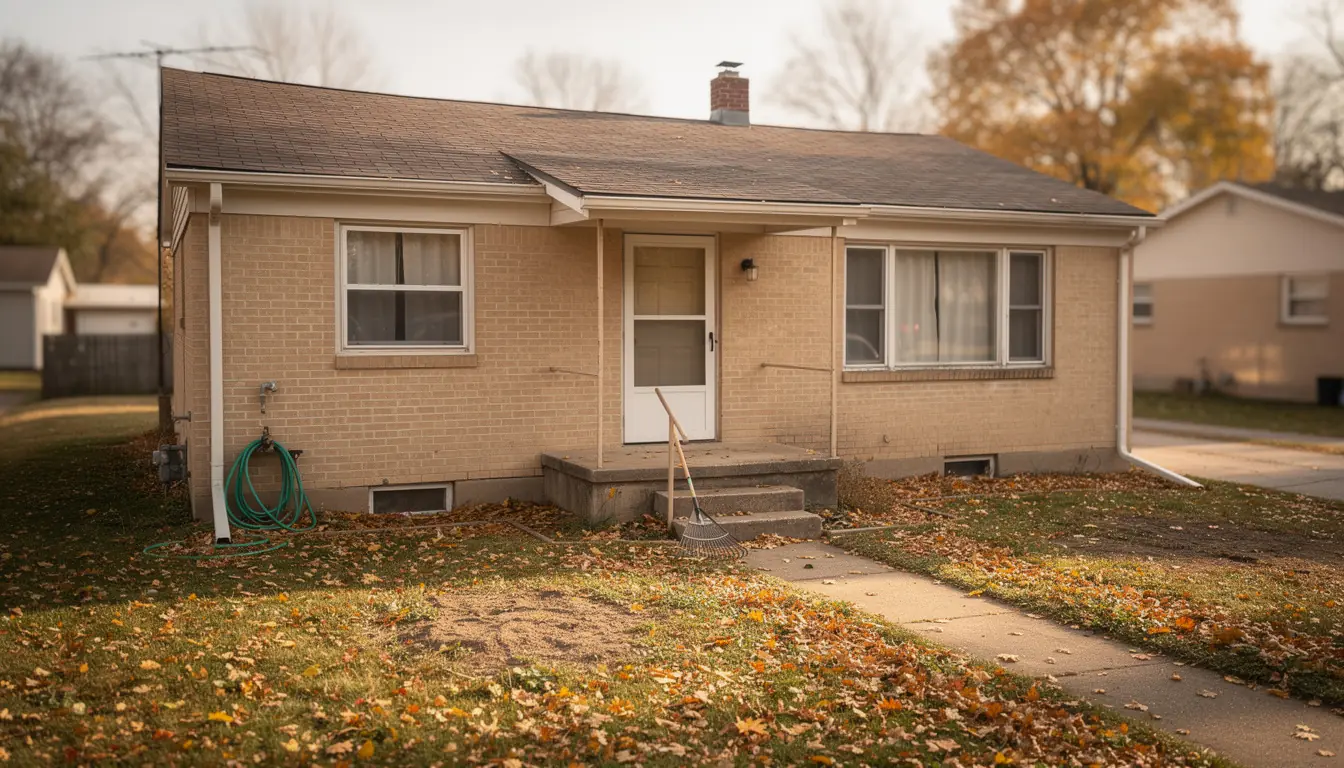
Closing day hands you a hundred papers and zero explanations of the house itself. Before life fills the calendar, spend one Saturday hour learning the handful of things that turn "the house" into "your house" — the same list we'd walk a friend through if they'd just moved to Brighton, Atoka, or anywhere in between.
1. Find the main water shut-off — today, not during the flood
It's usually where the line enters the house (crawlspace or garage wall), near the water heater, or at the meter box by the street. Turn it once so you know it moves. Every plumbing emergency in this house's future will be measured by how fast this valve closes.
2. Map the breaker panel
Flip each breaker and label what it kills. Done once at your own pace, the 2am tripped-breaker mystery becomes a ten-second errand. Note which two feed the HVAC — the outdoor unit and indoor unit usually run on separate breakers.
3. Read the water heater's birth certificate
The serial-number sticker encodes the year it was made (each brand hides it a little differently — a quick search decodes yours). Under 8 years old: relax. Past 10: budget for replacement before it decides for you, and glance at the base for moisture now and then.
4. Write the filter size on the furnace door
Pull the current filter, sharpie the size somewhere you'll see it, and buy a few. A monthly glance at that filter is the cheapest HVAC insurance that exists — especially your first Tennessee summer, when the system barely rests.
5. Find the sewer cleanout
A capped pipe at ground level near the foundation or in the yard. You may never touch it — but knowing where it is saves real time on the day a drain backs up.
6. Look under and below
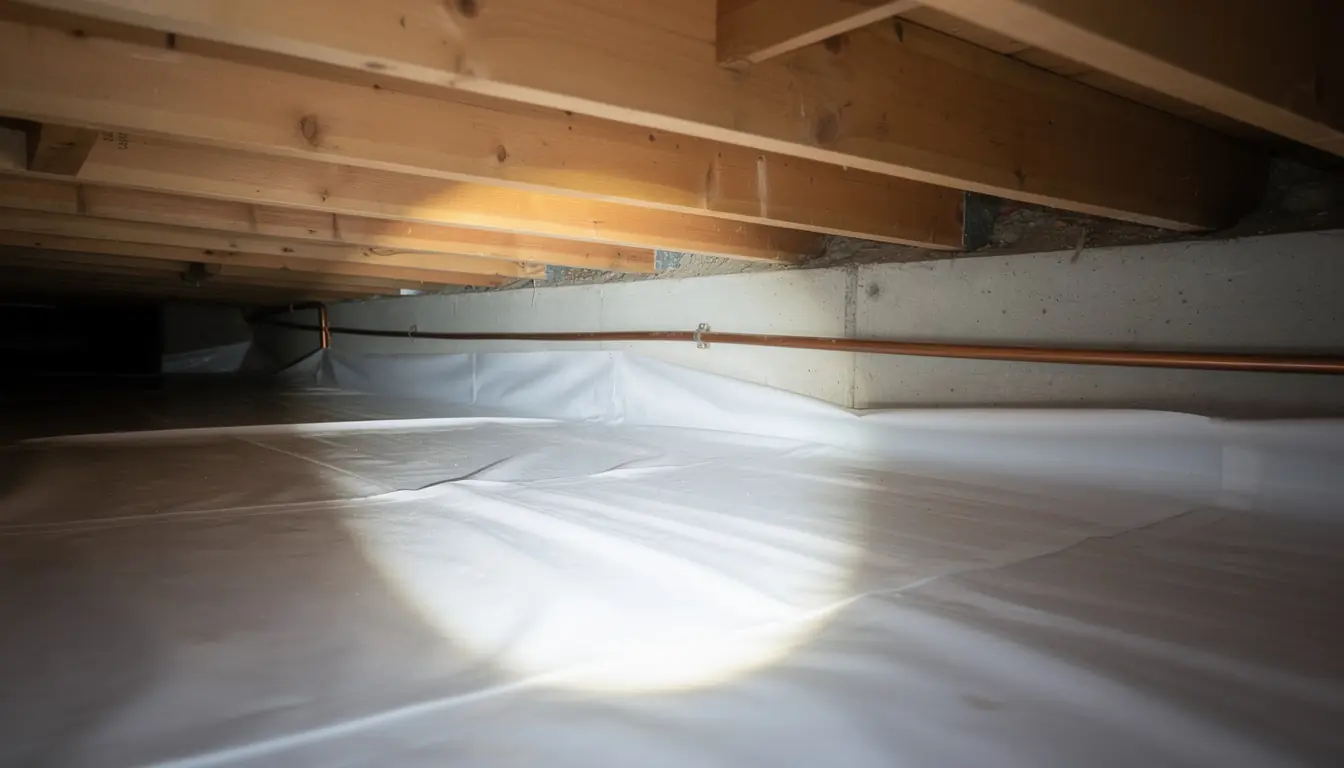
If there's a crawlspace, one flashlight tour tells you plenty: standing water, sagging insulation, pipes running along outside walls (remember those before the first freeze). If there's a sump pump, pour in a bucket of water and confirm it runs.
7. Make the storm plan while the sky is blue
Pick your interior safe room now: lowest floor, no windows, shoes and helmets nearby. If the house came with a standby generator, find its service history and put it on an annual schedule — a generator that hasn't been exercised is a coin flip. Tipton County runs two tornado seasons a year; the plan costs nothing.
The standing offer
every Prodigy visit includes showing you your main shut-off, free. Want a once-over instead of seven solo missions? (901) 699-7763 — and welcome to the neighborhood.