Every hard freeze, national news shows burst pipes across the South while northern states carry on fine — and every year someone asks us why. The answer isn't that southern pipes are worse. It's that our houses were built for our usual weather, and our usual weather isn't 12°F.
Northern homes bury plumbing deep
inside heated envelopes and below frost lines several feet down. Mid-South homes run supply lines through vented crawlspaces, exterior walls, and uninsulated garage ceilings — completely fine for a typical Tennessee winter, and exactly where a two-night Arctic blast reaches first. A pipe doesn't need a week of cold to burst; a few hours below about 20°F in a windy crawlspace will do it. The burst usually announces itself during the THAW, when the ice plug melts and the split opens up.
The 20-minute checklist before a hard freeze:
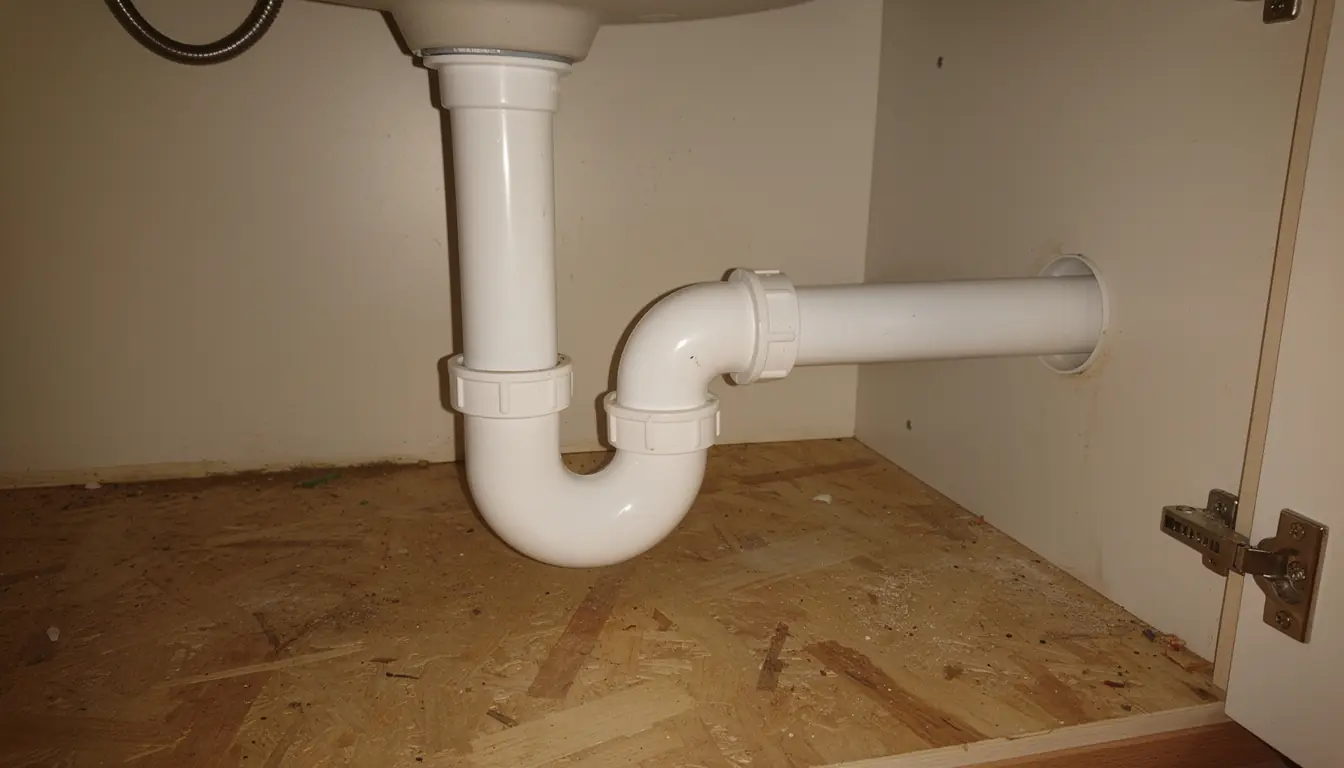
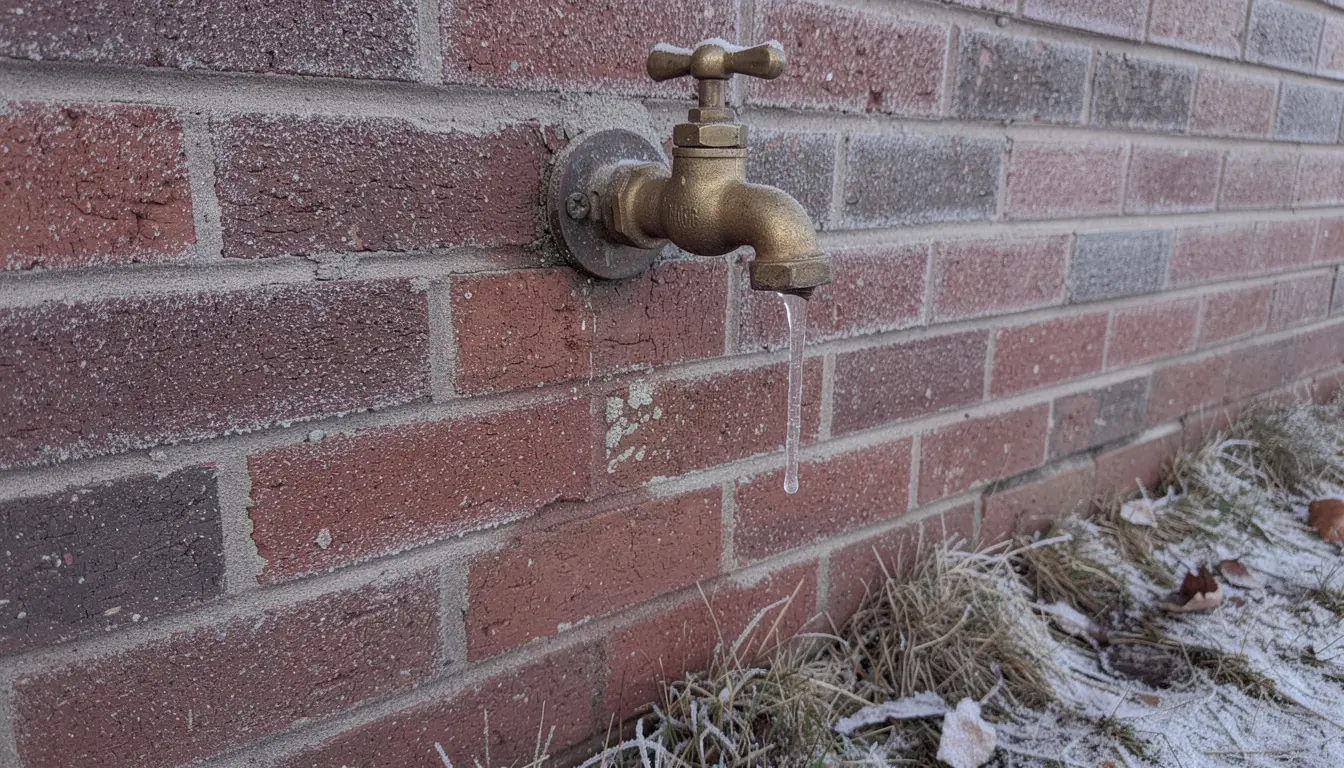
Disconnect every garden hose — a connected hose traps water in the spigot and is the single most common freeze casualty we repair. Open the cabinet doors under sinks on exterior walls so room heat reaches the pipes. Set a pencil-thin drip on the faucets farthest from where water enters the house — moving water resists freezing, and it relieves pressure if ice does form. Close your crawlspace vents (or block them for the cold snap). Leaving town? Heat stays at 55 minimum, and shutting off the main water while you're gone turns a potential burst into a non-event.
Know your shut-off before you need it
When a pipe does let go, the difference between a repair bill and a renovation is how fast the water stops. If you don't know where your main valve is, ask us to show you on any service visit — we do it free, every time.
And if you're reading this with water already running where it shouldn't: main valve off, then call (901) 699-7763. Prodigy answers 24/7, hard freeze or not — those are exactly the nights we're built for.